Site Visit: Restoration Projects in Mosul
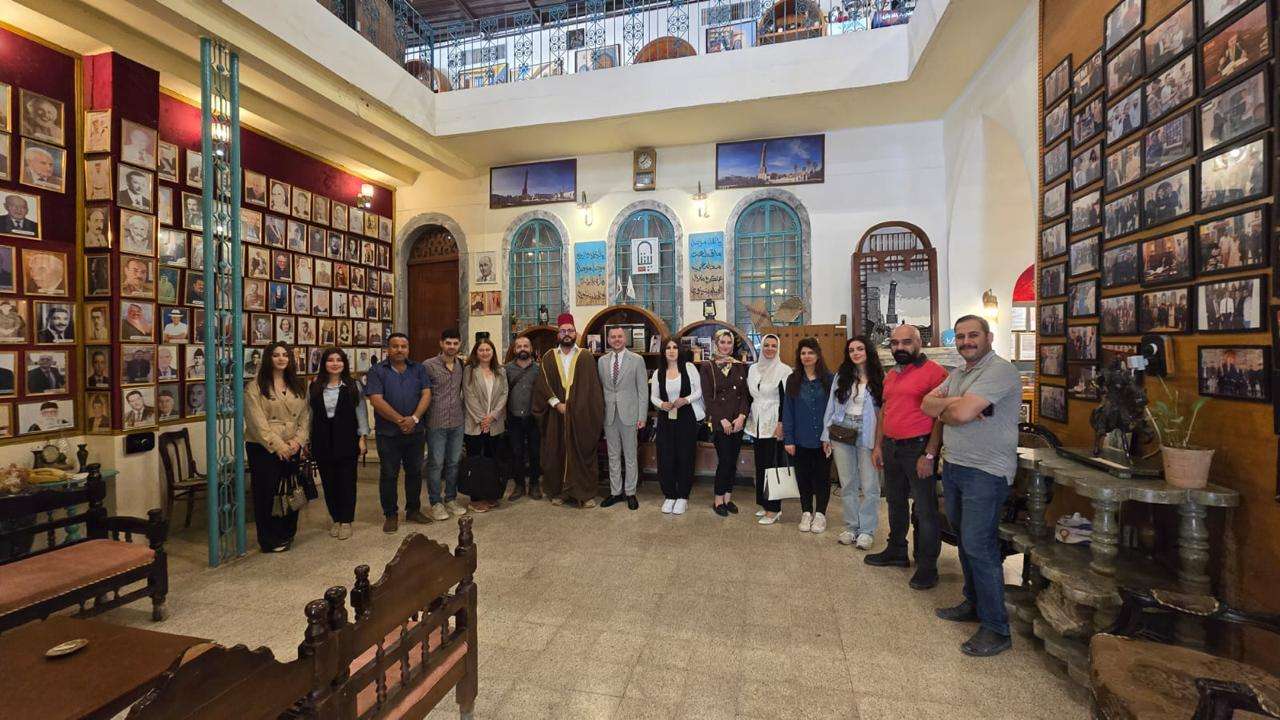
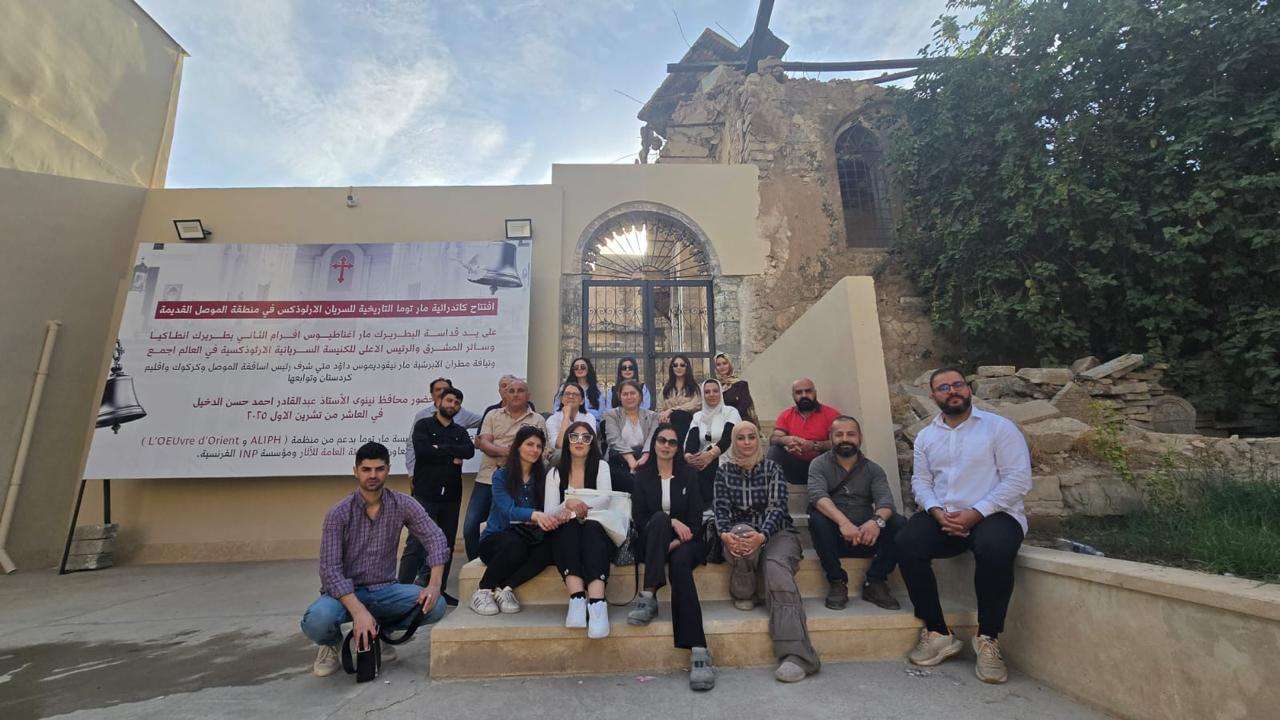
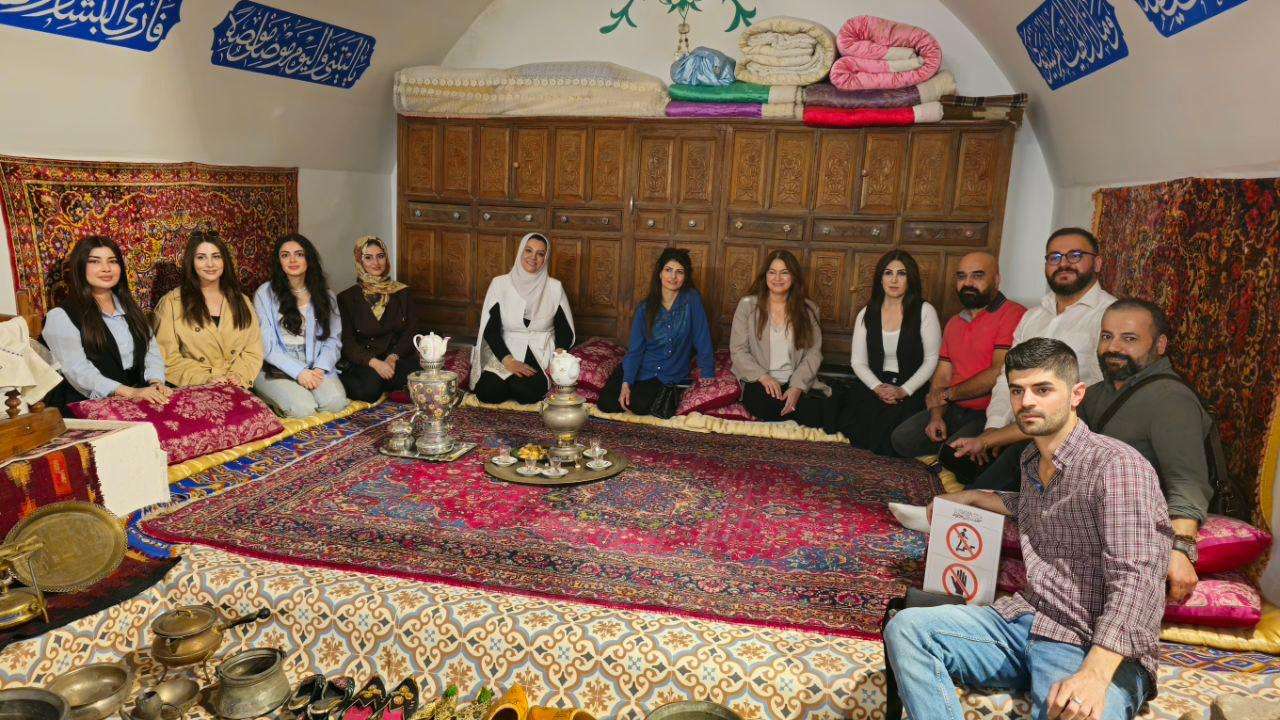
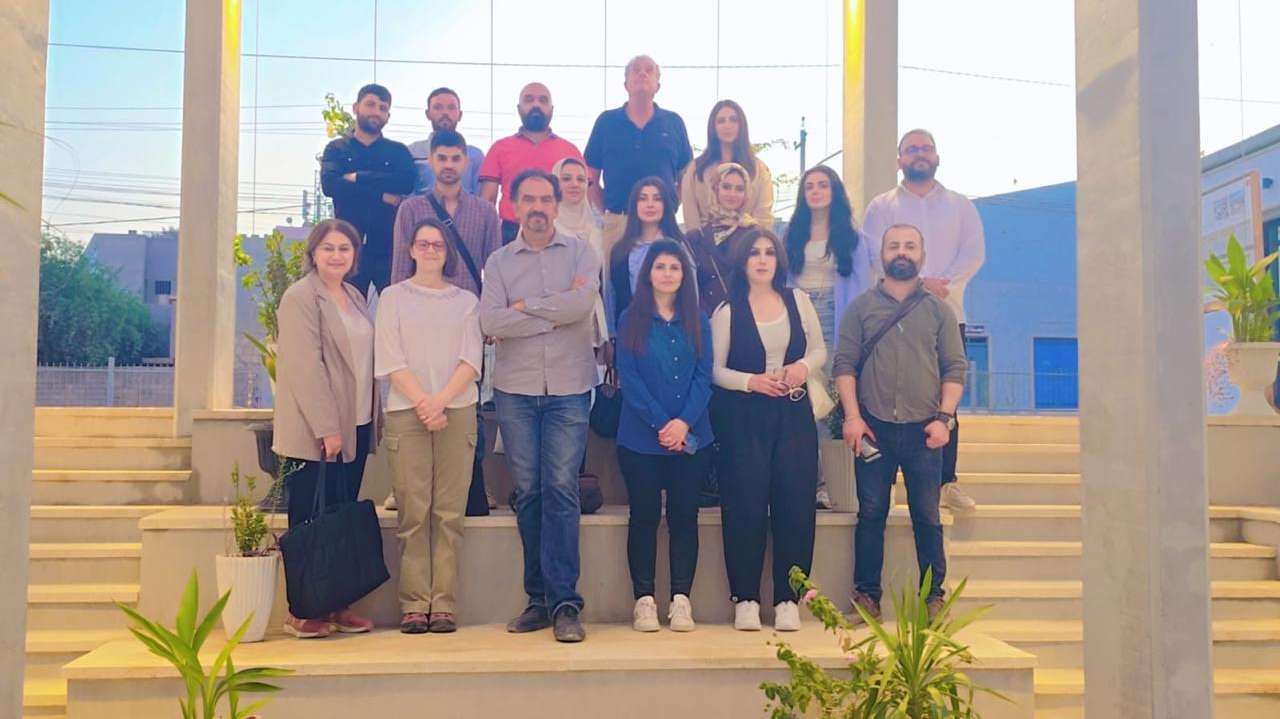
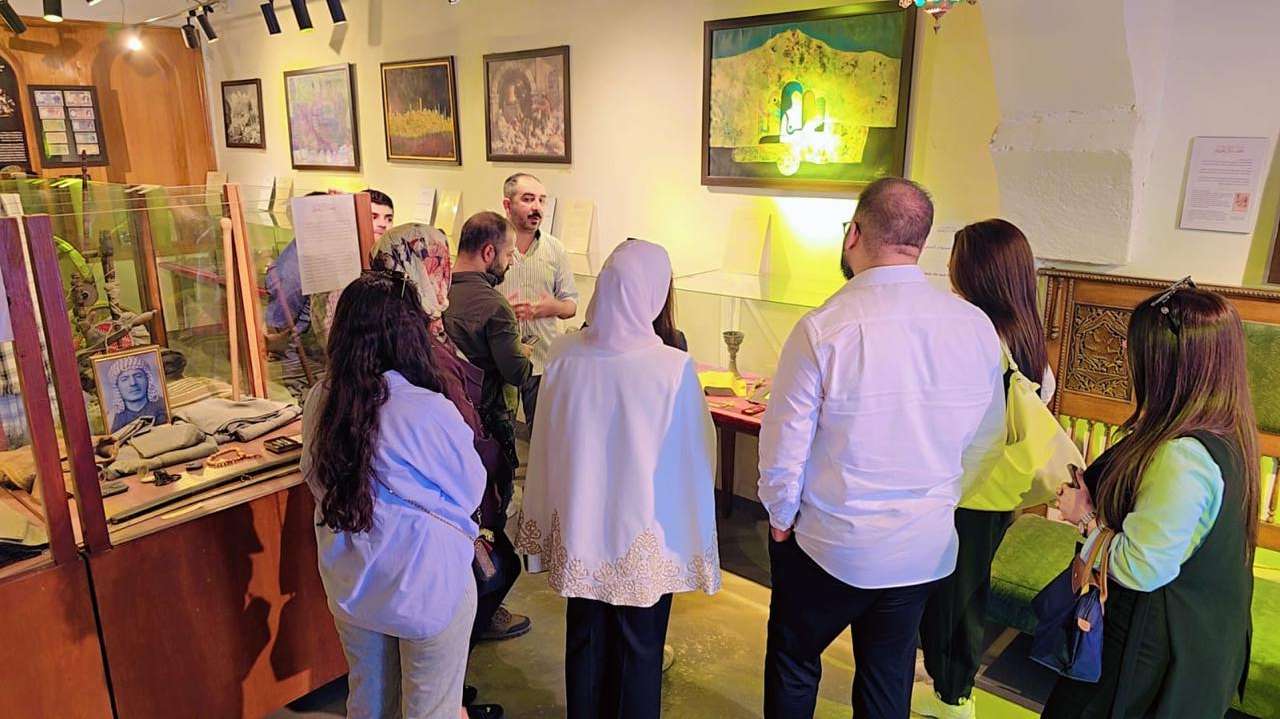
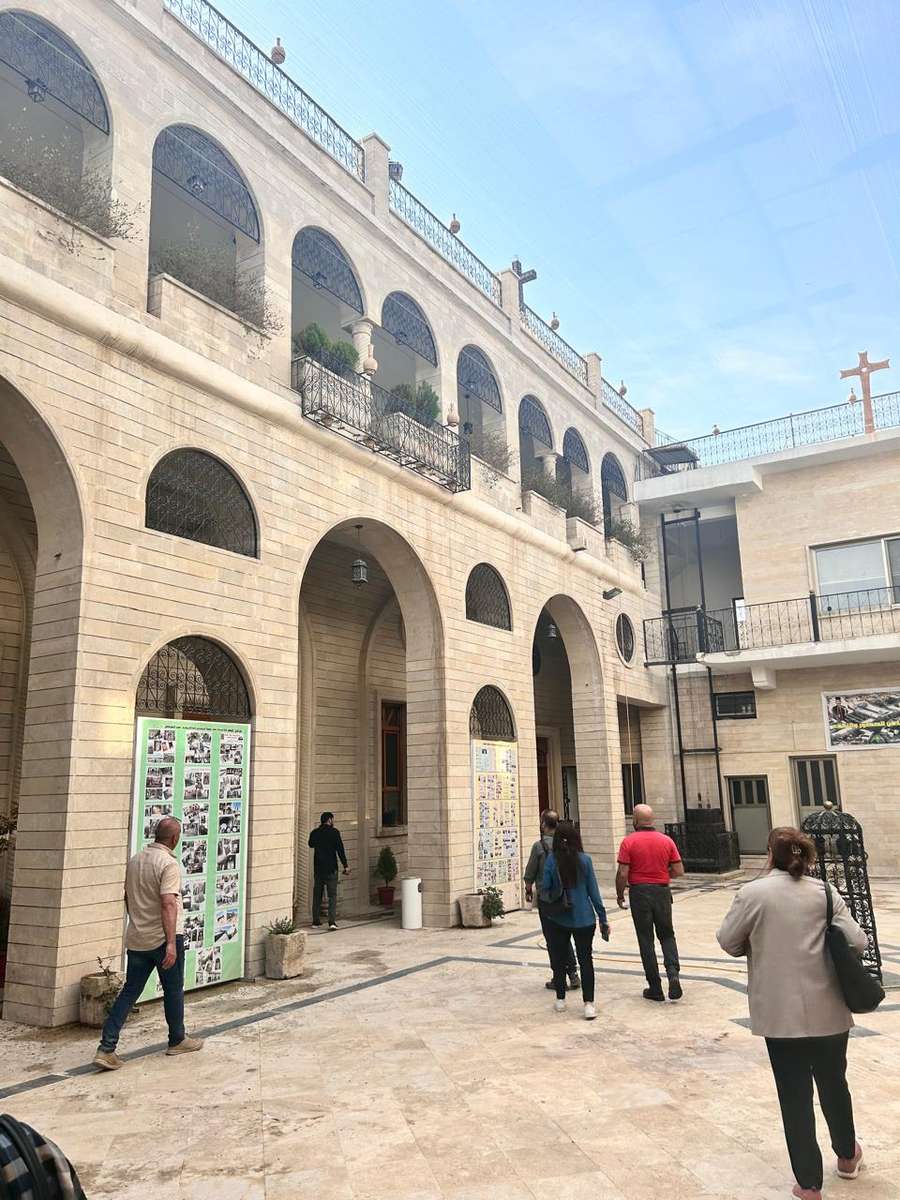
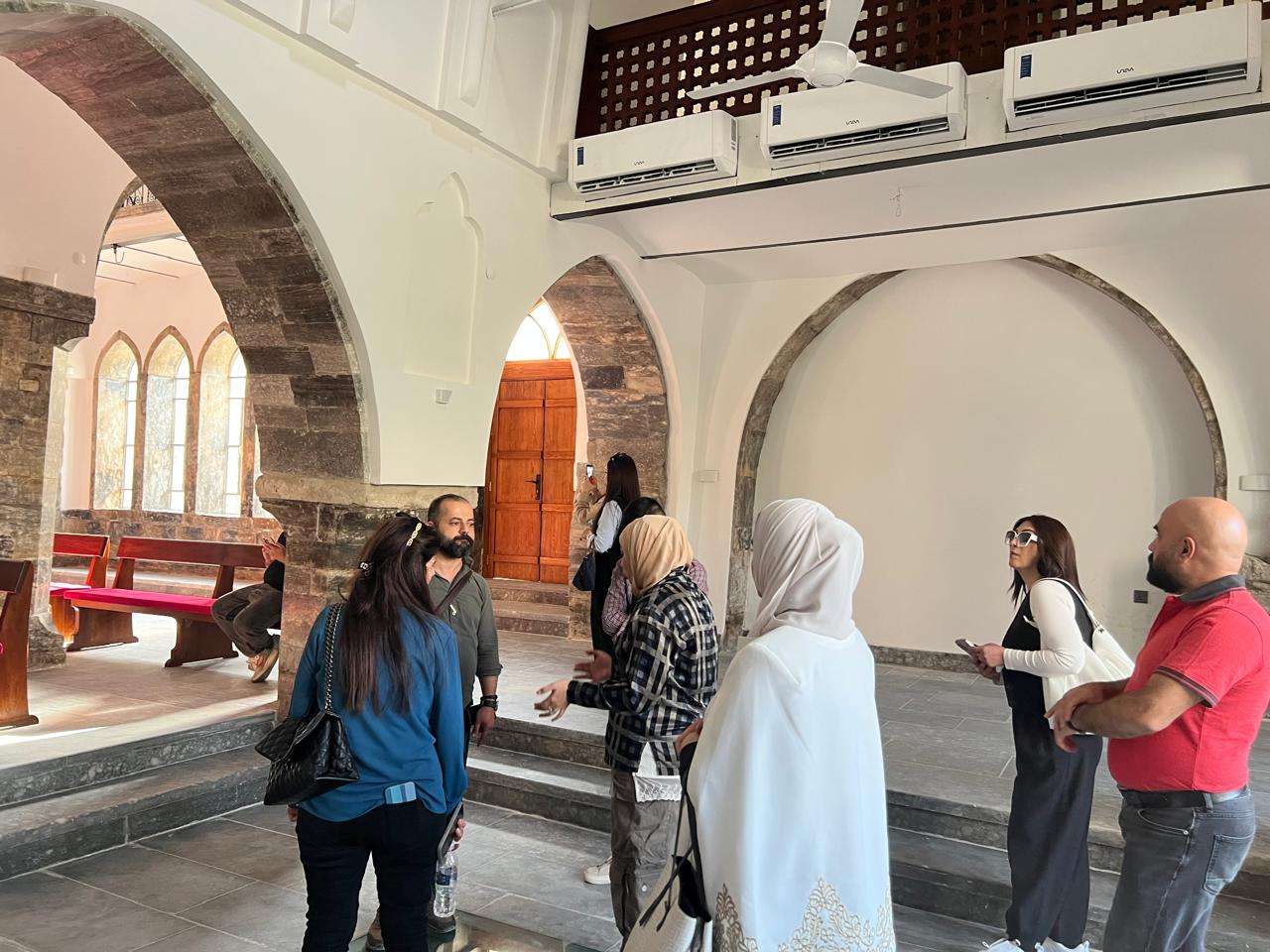
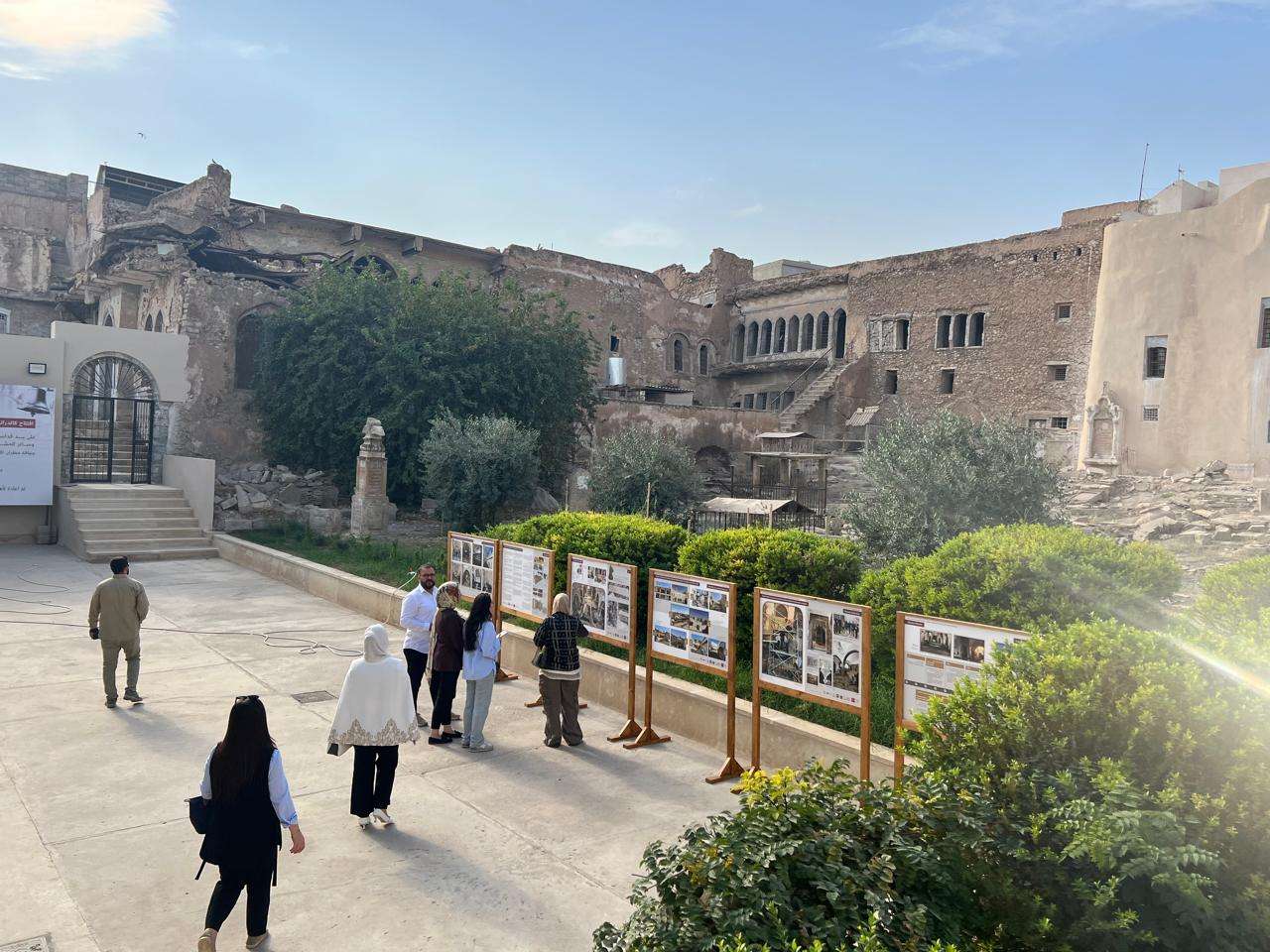
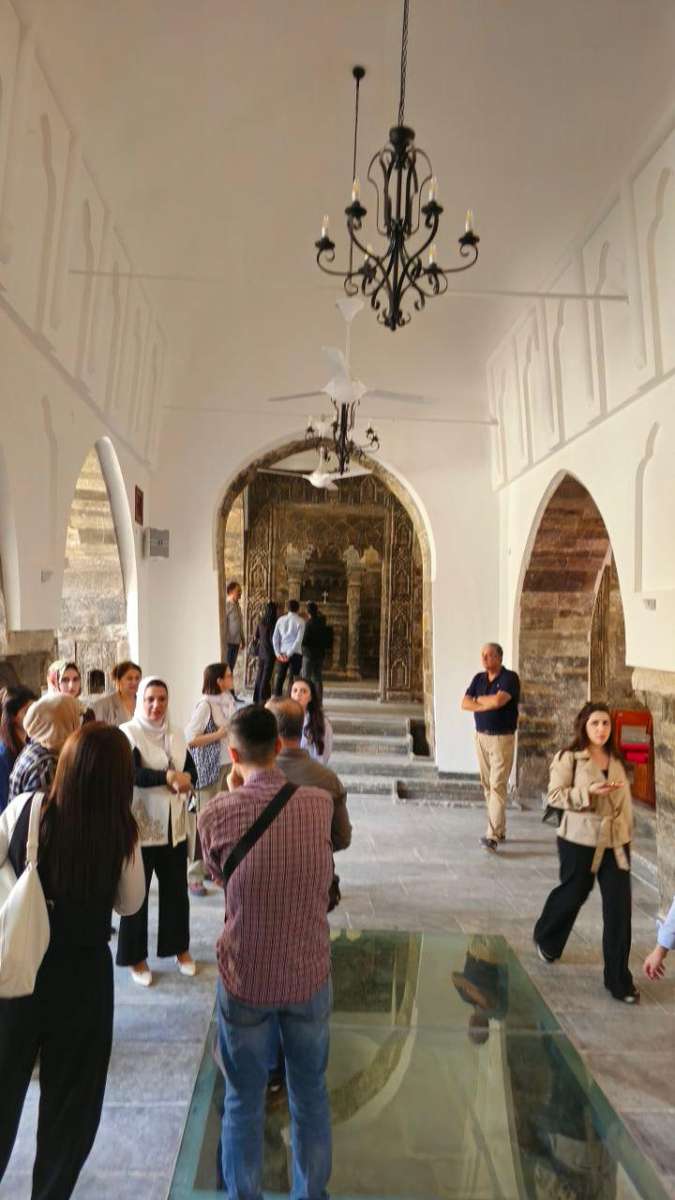
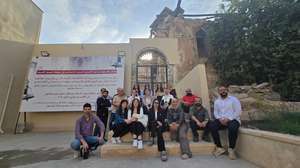
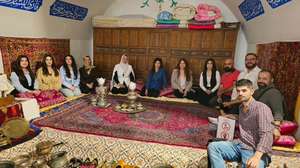
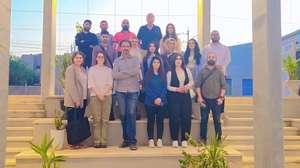
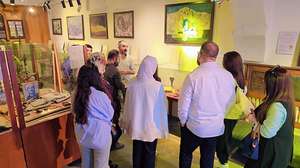
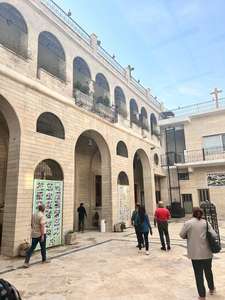
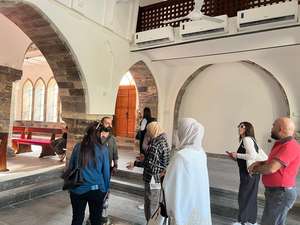
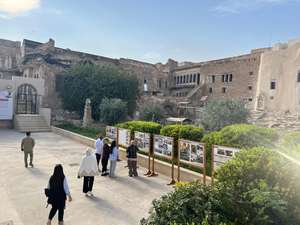
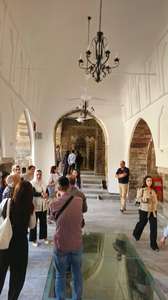
On October 29, 2025, the staff of the City Planning Department and Architecture Engineering Department at the University of Duhok participated in a specialized site visit to heritage restoration projects in Mosul. This activity is part of the framework of capacity building of University of Duhok staff in heritage conservation and broader initiatives to preserve Iraq’s architectural heritage. This activity is in Collaboration between the University of Duhok (City Planning Department and Department of Architecture Engineering), in partnership with the World Monuments Fund (WMF)and Nineveh Archaeological Training Center.
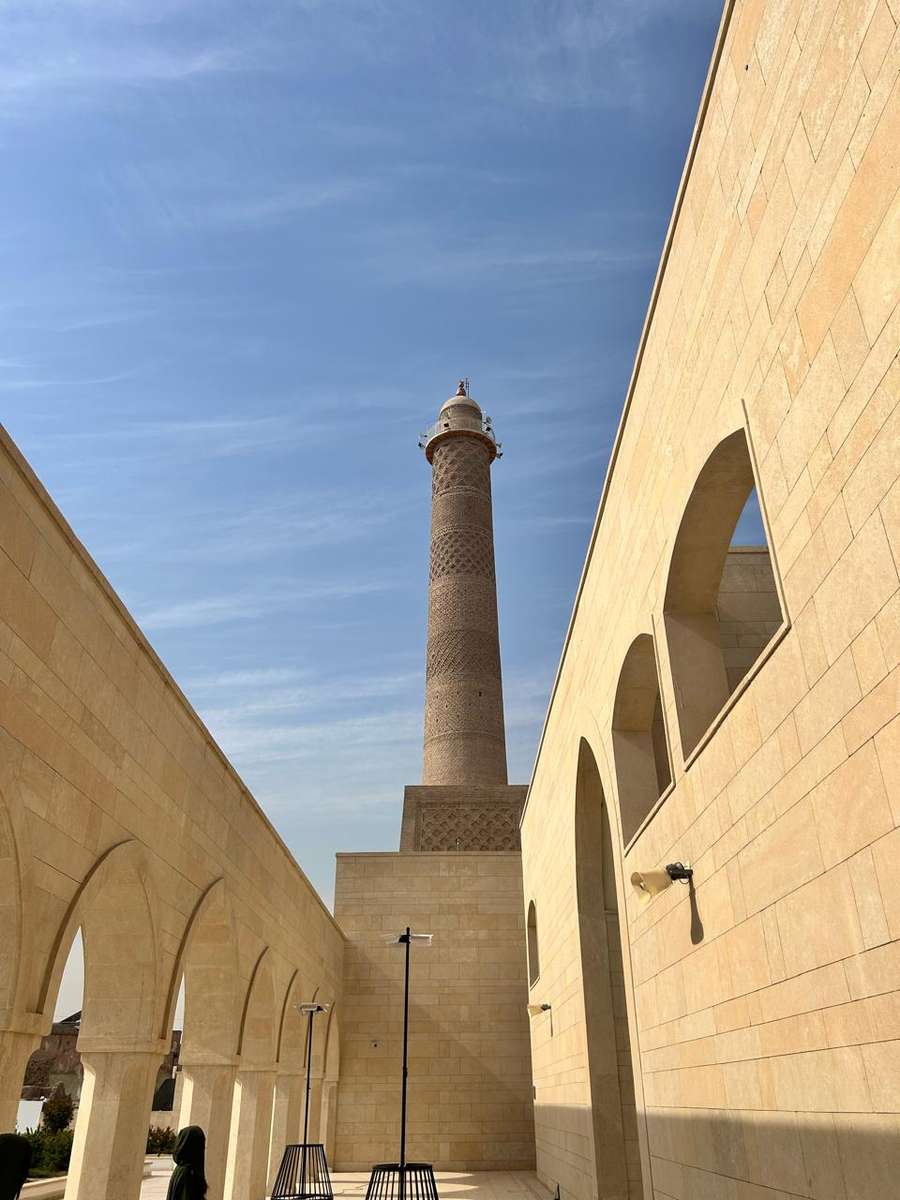
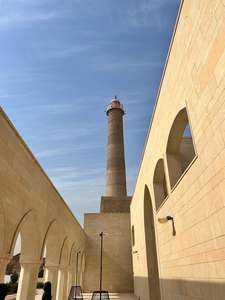
The focus of the site visit and discussions was on the conservation of Mosul’s historic landmarks, including Mosul Museum, Al-Nuri Mosque, Mar Toma Syriac Orthodox Church, and Al-Tahira Chaldean Church. The delegation toured these key restoration sites, receiving presentations on ongoing restoration strategies, challenges, and best practices. At Al-Nuri Mosque, Mr. Abdulrahman Al-Hajjar provided updates on reconstruction progress. Later, Mr. Jean-Paul Lemdjedri from La Guilde / Œuvre d’Orient presented in-depth strategies for conserving the churches.
This site visit emphasized the ongoing collaboration between local and international partners in rehabilitating Mosul’s heritage, highlighting a shared commitment to cultural recovery and strengthening the capacity of University of Duhok staff in heritage conservation.
Alignment with SDGs and the UOD Strategic Plan
This heritage-focused initiative supports SDG 11 (Sustainable Cities and Communities) by contributing to the conservation of cultural heritage as part of sustainable urban recovery in Mosul, while also strengthening SDG 17 (Partnerships for the Goals) through collaboration between local and international institutions. It also contributes to SDG 4 (Quality Education) by providing experiential learning opportunities for students and professionals in architecture and planning.
The activity aligns with the University of Duhok’s Strategic Plan (2023–2038), particularly its pillars of:
- Growth and Innovation: by engaging students and staff in real-world, interdisciplinary projects related to urban heritage.
- Student Success: by offering field-based learning and practical training that enhance professional skills.
- Sustainability: through the protection and rehabilitation of historic environments as part of long-term urban resilience.
- International Collaboration: by partnering with the World Monuments Fund, ALIPH, and Iraqi heritage institutions to expand UOD’s global engagement.
Through such initiatives, UOD strengthens its role as a regional leader in applied planning, cultural heritage research, and community-focused development, reinforcing its mission to contribute to the sustainable future of the Kurdistan Region and beyond.