HERIT-AI-GE Workshop | Egypt 2025
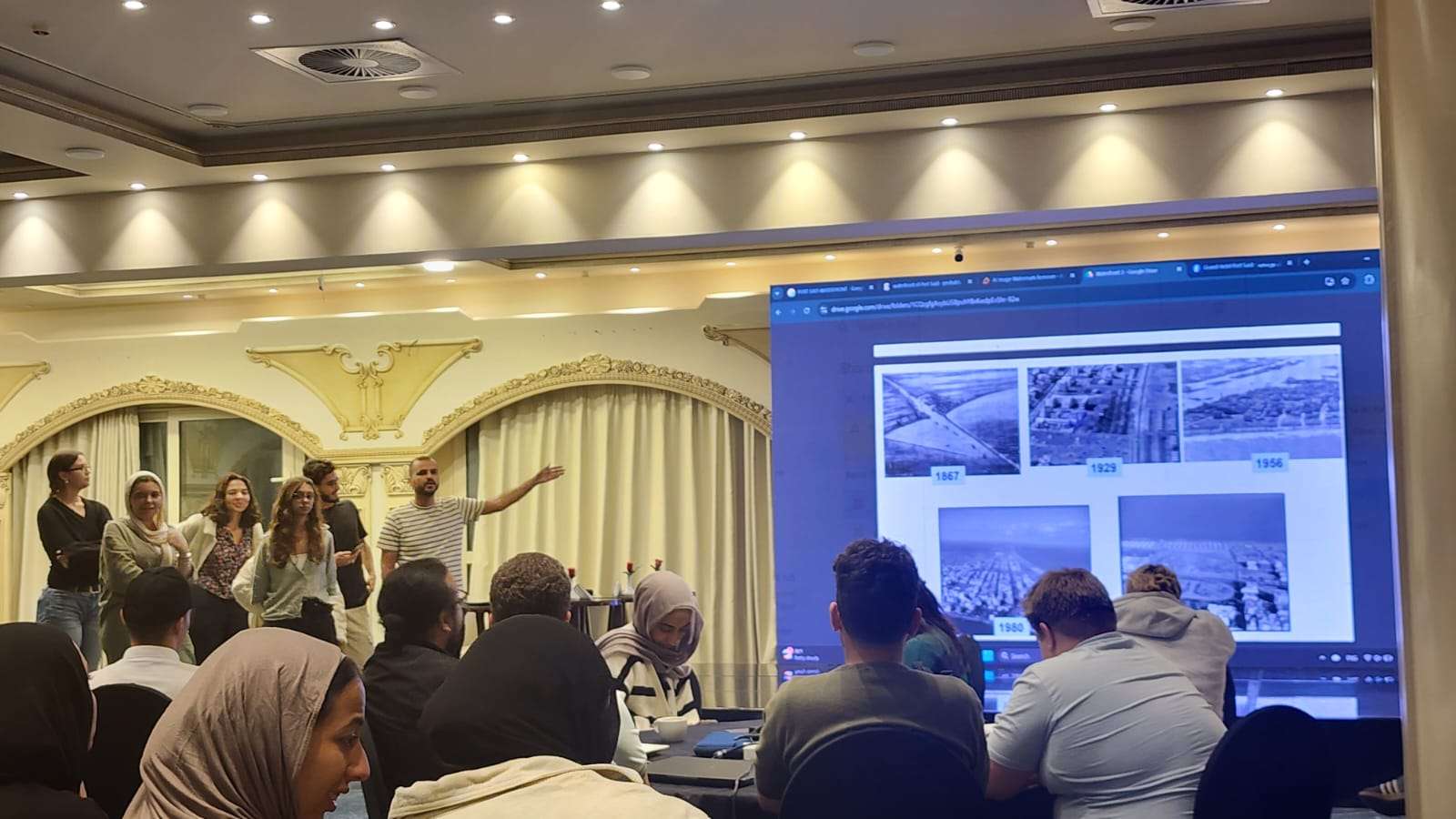
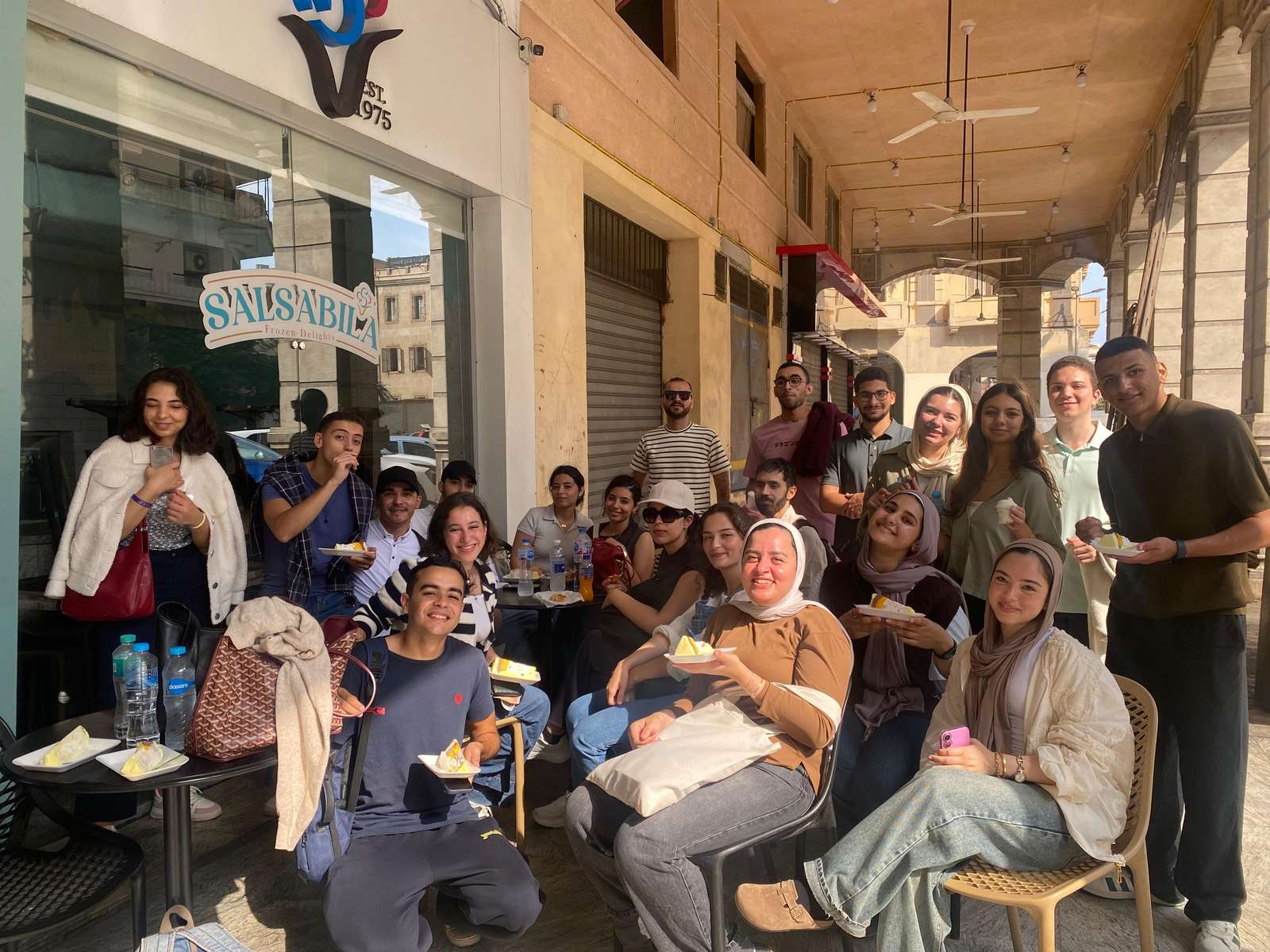
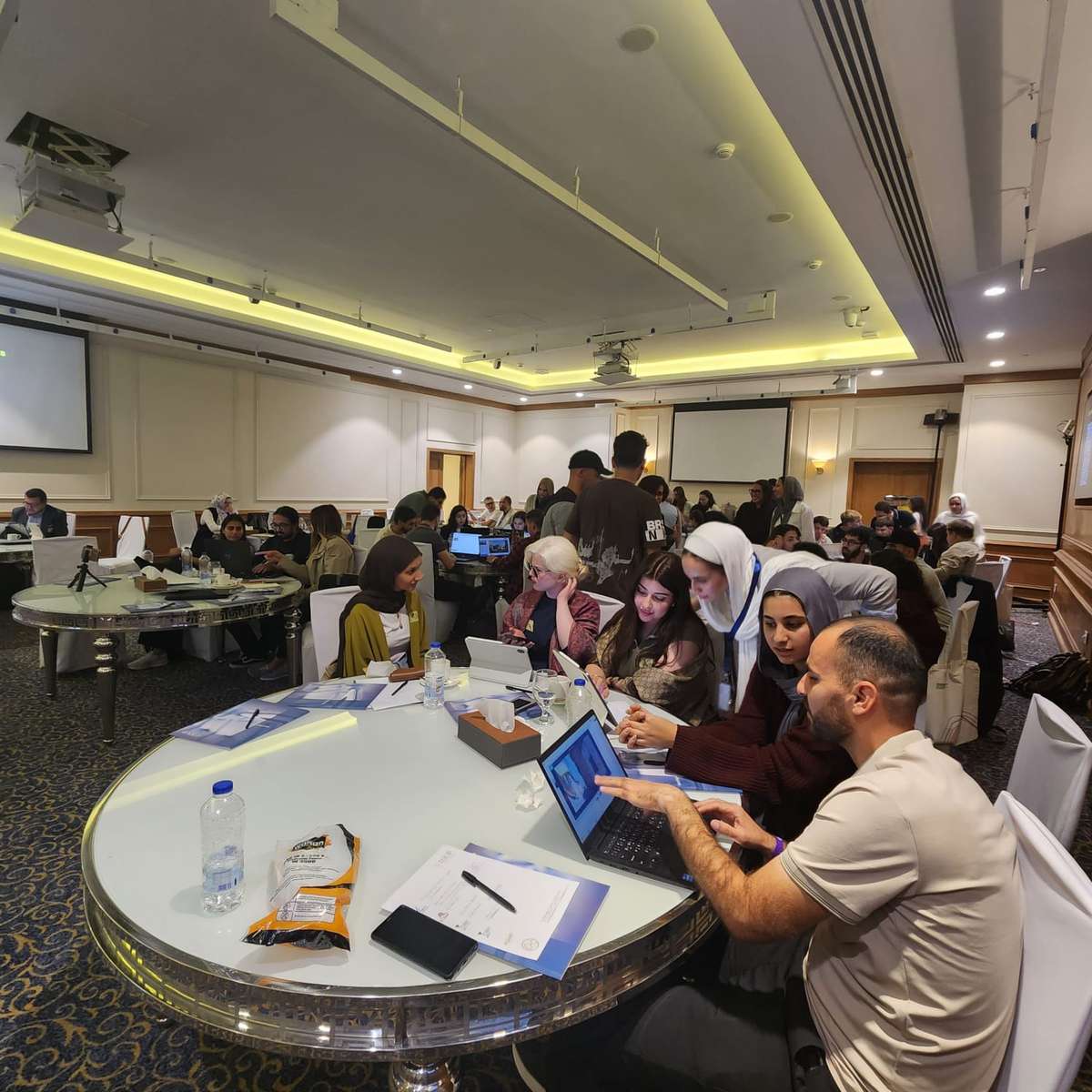
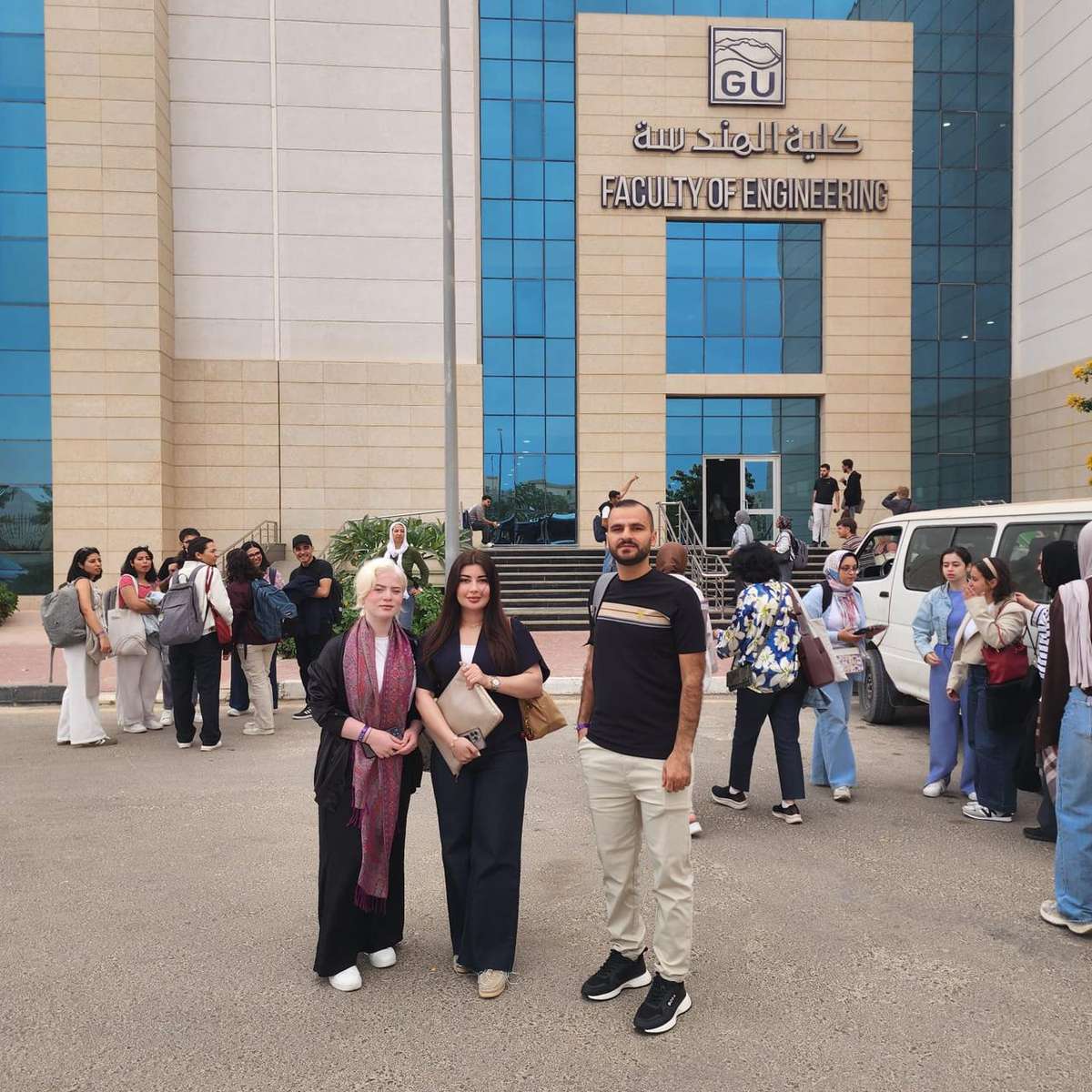
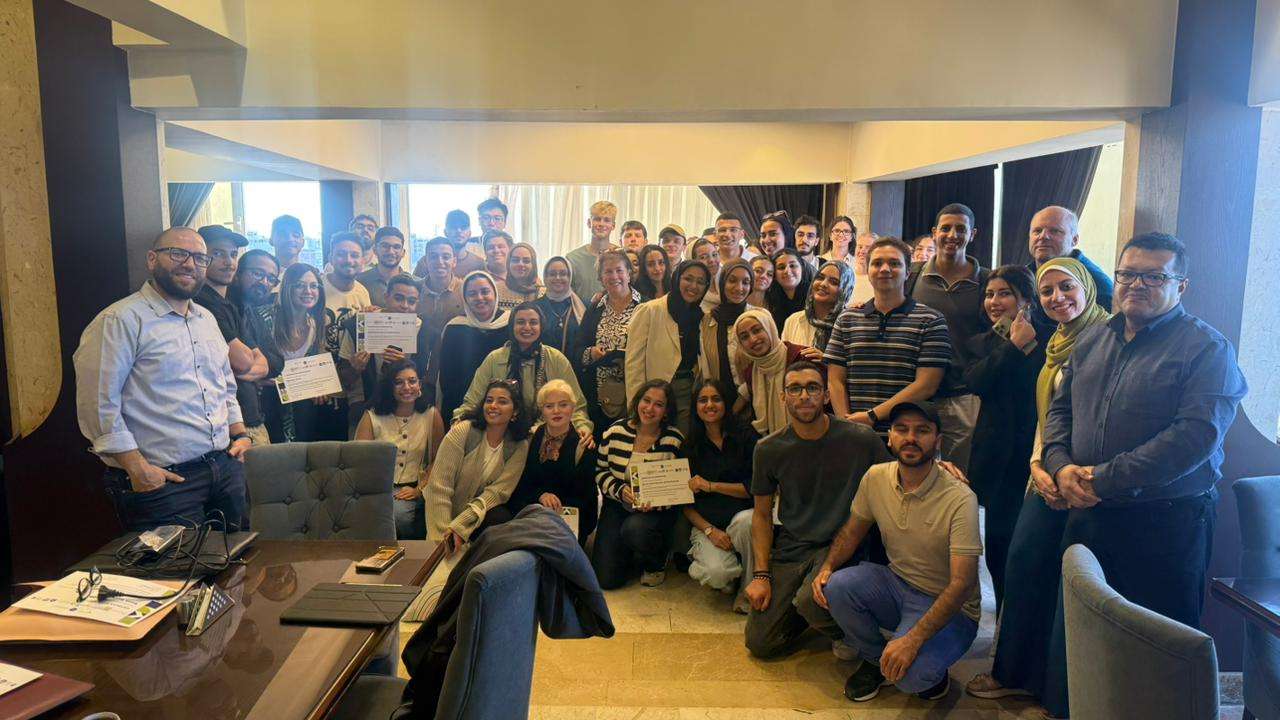
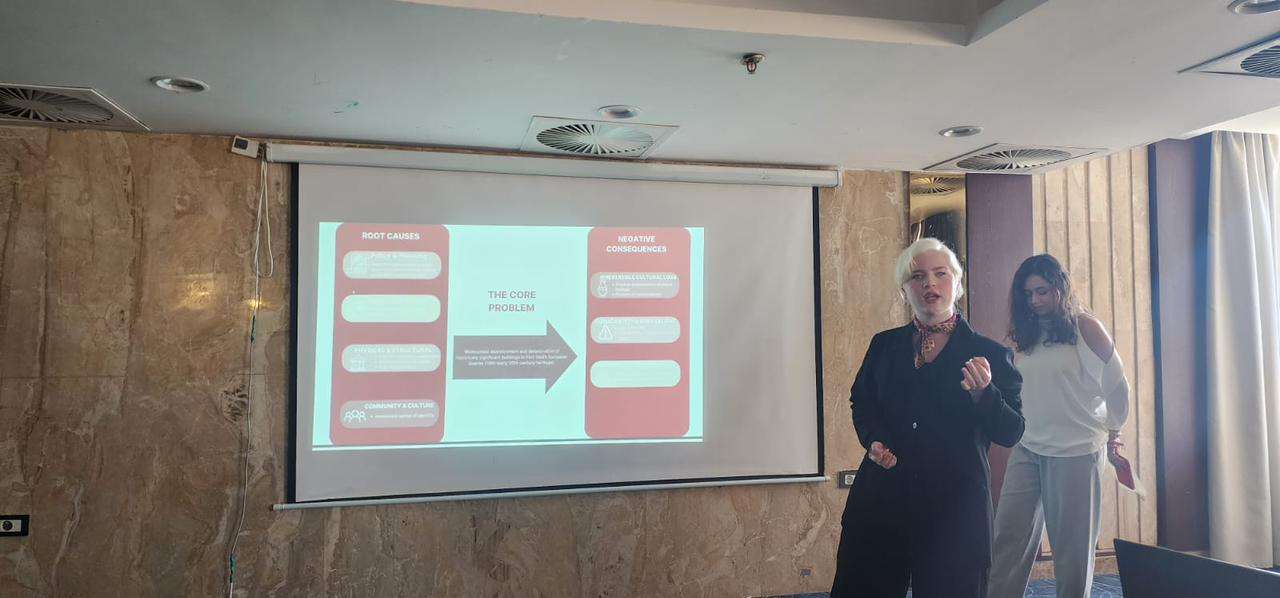
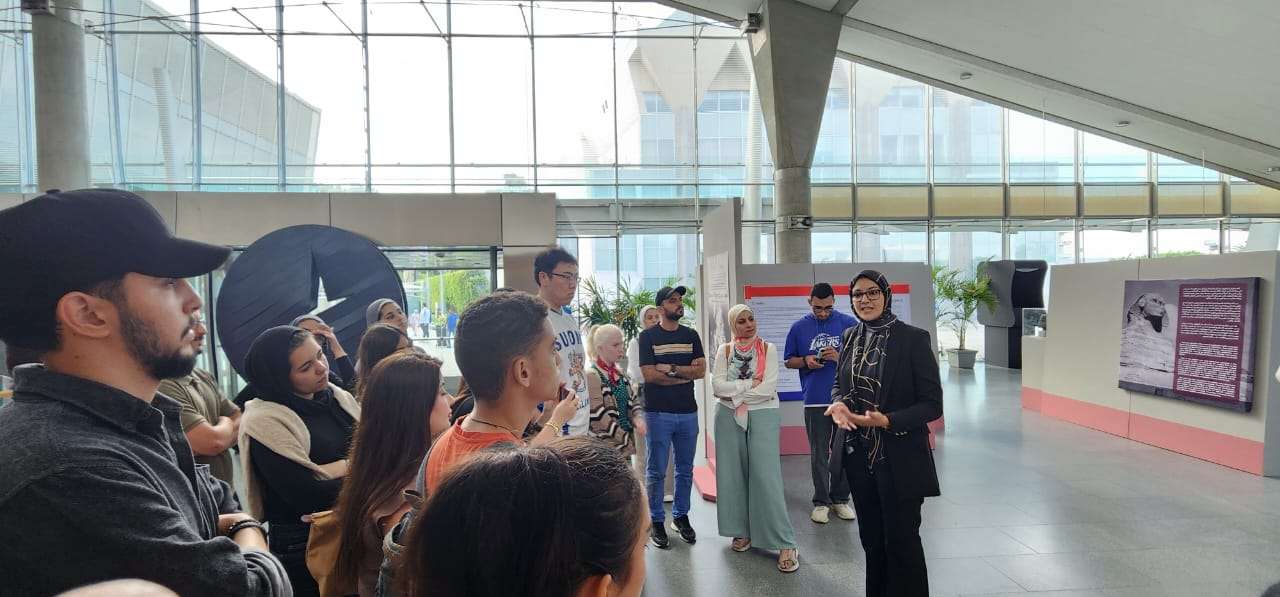
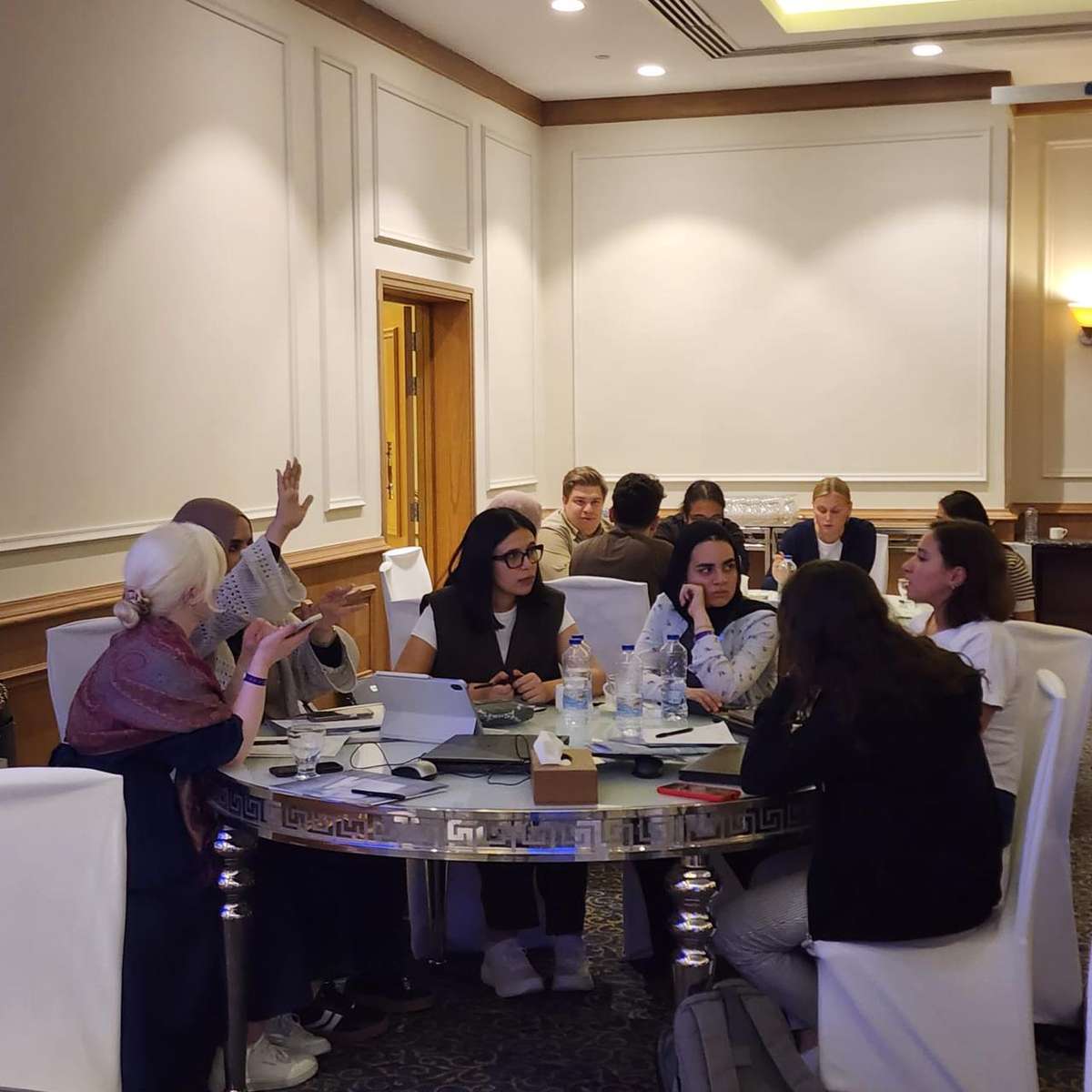
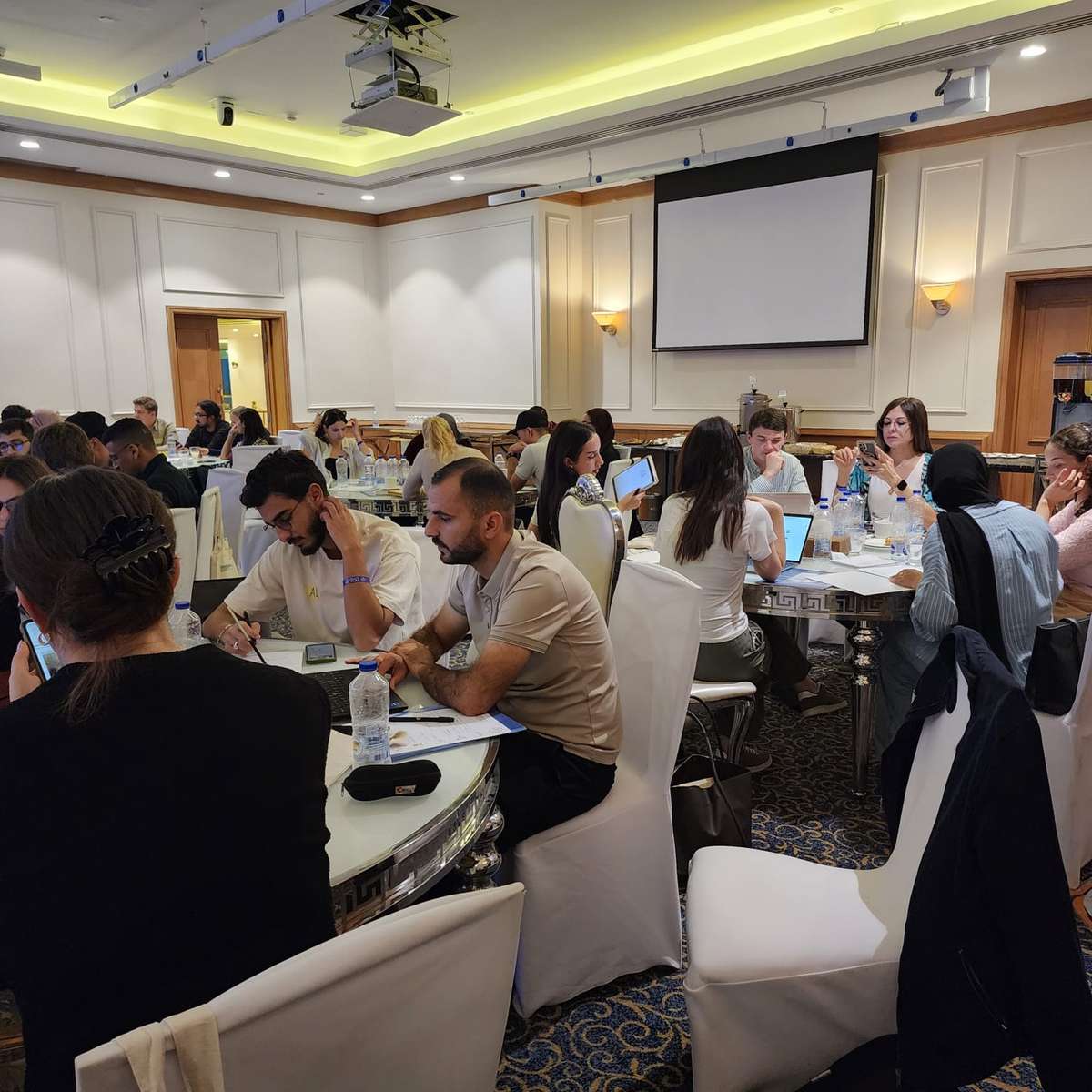
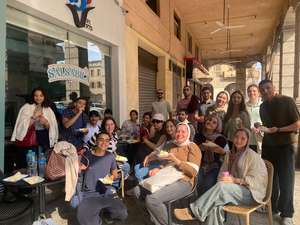
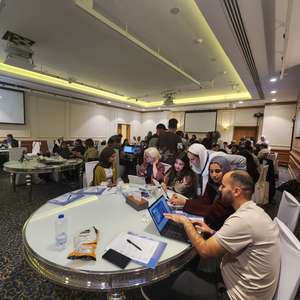
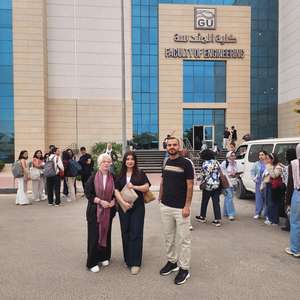
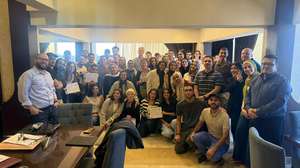
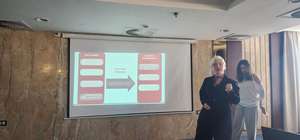
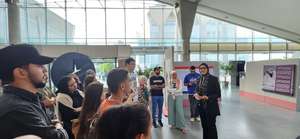
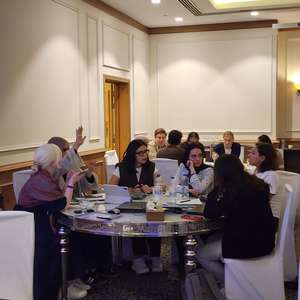
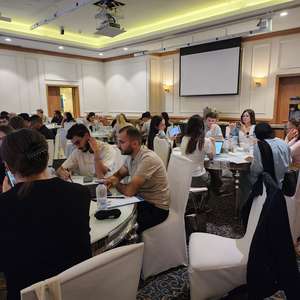
The College of City and Regional Planning, University of Duhok, participated in the HERIT-AI-GE Workshop, held in Egypt from November 1st to 9th, 2025, as part of the DAAD-funded project “KassMENA: Sustainable Future for Cultural Heritage (SFCH)”.
The workshop was conducted in collaboration with:
Universität Kassel – Germany
University of Duhok - UoD – Kurdistan Region of Iraq
Alexandria University – Egypt
جامعة الجلالة - Galala University – Egypt
ENAU – Tunisia
Beirut Arab University – Lebanon
University of Rostock – Germany
The University of Duhok delegation was led by Mr. Andar M. Bahaaddin, accompanied by MSc students
Aveen Shurfani, Shahad Albrifcani, and Walat Albezihi.
The program promoted academic and cultural exchange by integrating digital innovation in heritage conservation and urban regeneration. It featured intensive training in generative AI for architectural and heritage analysis, hands-on 3D scanning for cultural asset documentation, and field research on the urban heritage of Port Said. Additional sessions explored participatory planning, urban regeneration, and climate-adaptive design for buildings and open spaces.
The workshop focused on integrating emerging technologies into heritage conservation and urban regeneration. Participants received hands-on training in:
- Generative AI tools for architectural and heritage analysis
- 3D scanning and digital documentation of cultural assets
- Field research on the urban heritage of Port Said
- Participatory planning and climate-adaptive design methods
- Sustainable approaches to urban regeneration and adaptive reuse
Lectures, field visits, and interdisciplinary teamwork allowed participants to explore inclusive and sustainable solutions for preserving cultural heritage across diverse contexts.
The HERIT-AI-GE Workshop represents an important step in strengthening academic collaboration, enhancing interdisciplinary capacity, and advancing sustainable cultural heritage preservation across the MENA region and beyond.
The week-long program featured a wide range of activities including lectures, open discussions, group work, and field visits across Galala, Port Said, and Alexandria. Students worked in multinational, interdisciplinary teams, exploring sustainable approaches to conserving and regenerating cultural heritage.
Participants explored Port Said’s tangible and intangible heritage, conducting historical site surveys while learning about AI applications and urban regeneration strategies.
The workshop welcomed distinguished guest speakers such as Dr. Mohamed Hagrass (UN-Habitat), who shared insights on urban regeneration and sustainability, and Dr. Mohamed Hamdy (University of Leeds), who presented findings from the Bazar Abbas project. Throughout the program, participants explored key issues including inclusive urban design, liberation of rent laws, adaptive reuse of heritage buildings, and waterfront rehabilitation, developing forward-thinking proposals to reimagine cultural heritage in the modern age. This collaboration reflects Galala University’s commitment to sustainability, innovation, and international cooperation in architecture and urban planning, advancing Egypt's Vision 2030.
Alignment with the UOD Strategic Plan
This participation supports the University of Duhok’s Strategic Plan (2023–2038) by:
- Strengthening international academic cooperation
- Enhancing capacity building for students and staff
- Promoting innovation and digital transformation in heritage and planning
- Advancing UOD’s role in sustainable development and applied research
The initiative also aligns with the United Nations Sustainable Development Goals (SDGs), particularly:
- SDG 4: Quality Education
- SDG 11: Sustainable Cities and Communities
- SDG 17: Partnerships for the Goals
Looking Ahead
The HERIT-AI-GE Workshop marks an important step in UOD’s ongoing efforts to strengthen interdisciplinary approaches to cultural heritage, integrate digital tools in planning education, and expand international networks across the MENA region and Europe.