City Planning Summer School Workshop Concludes in Berlin with Knowledge Exchange, Field Learning, and Student Presentations
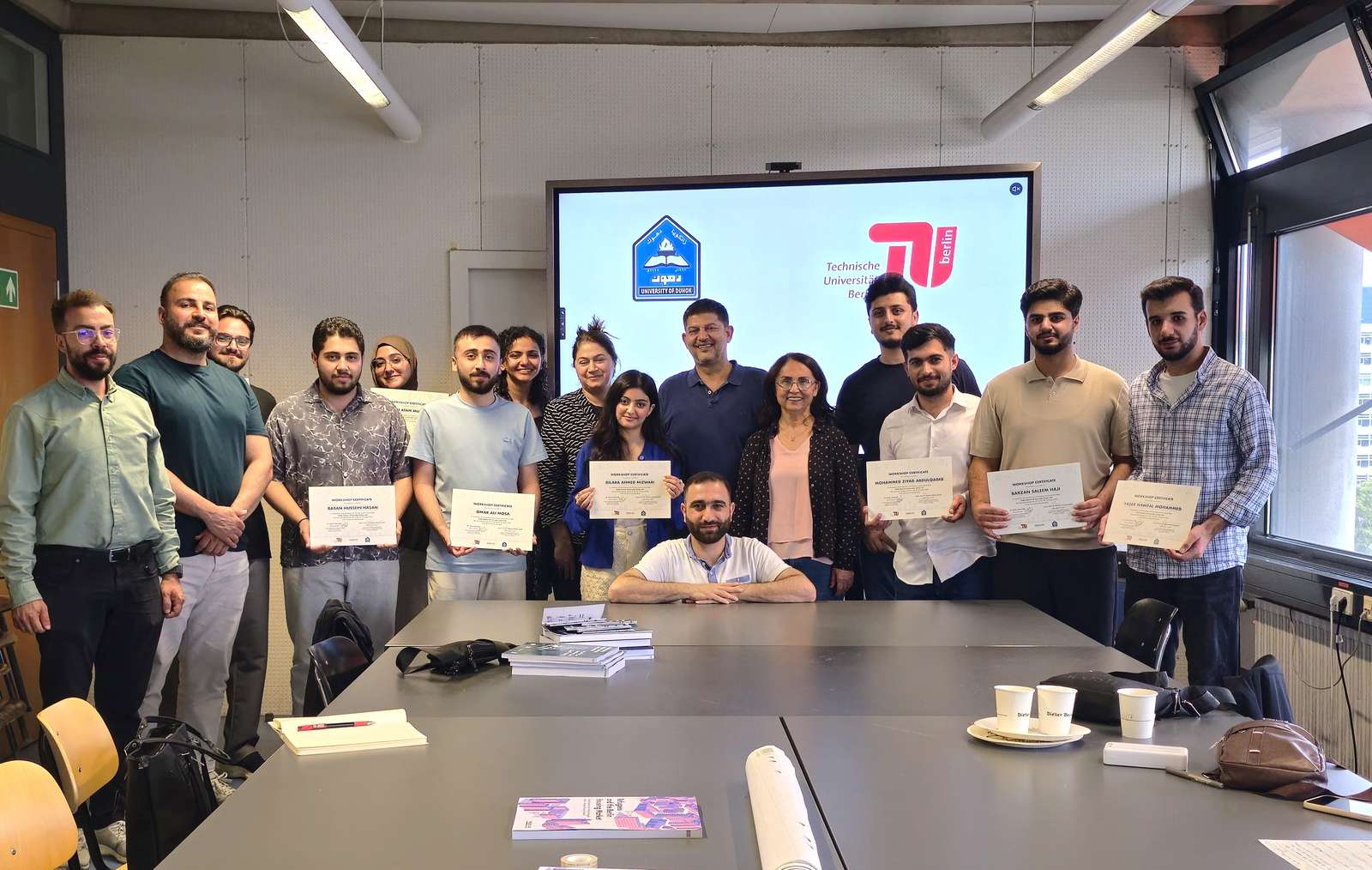
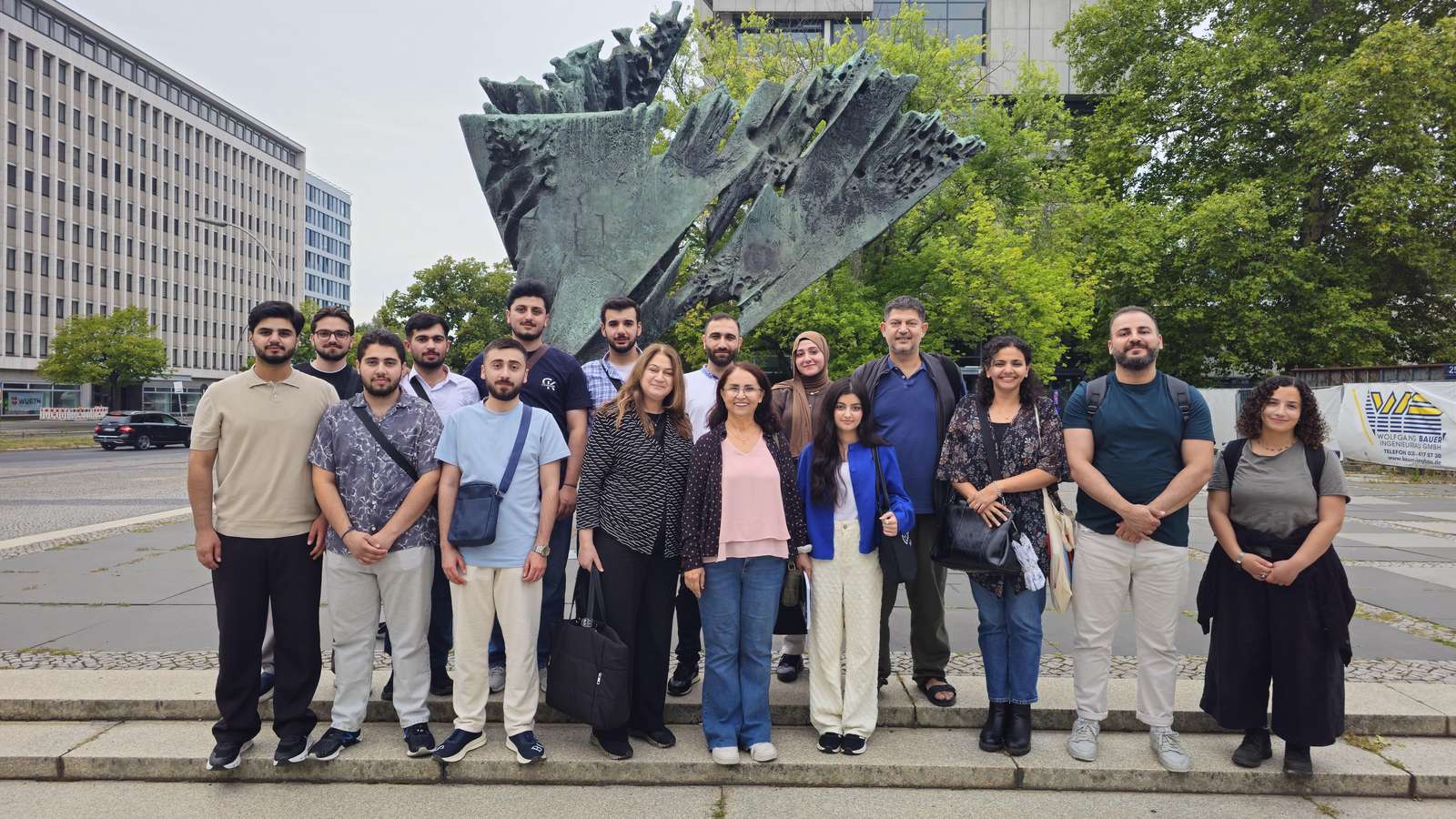
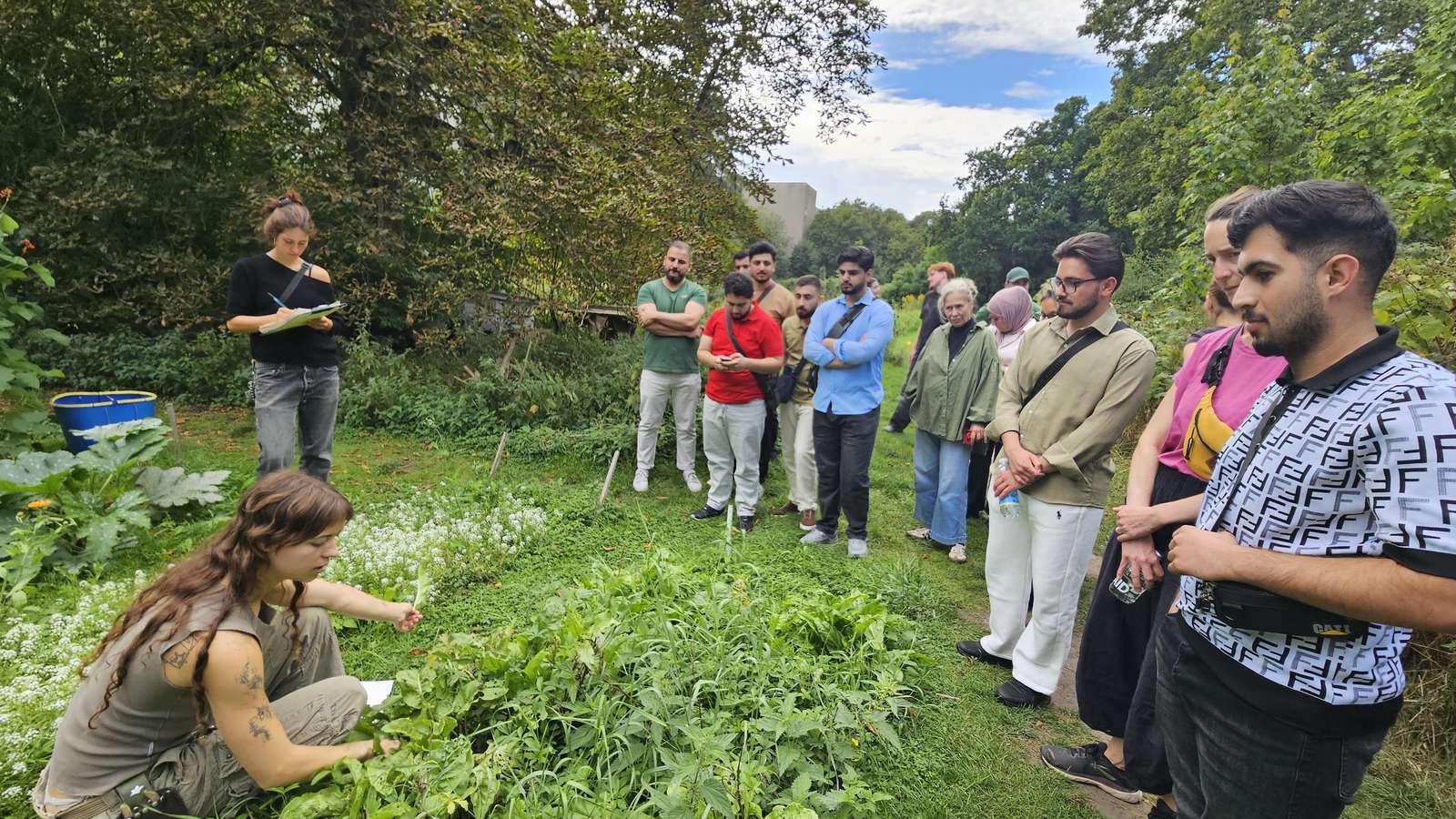
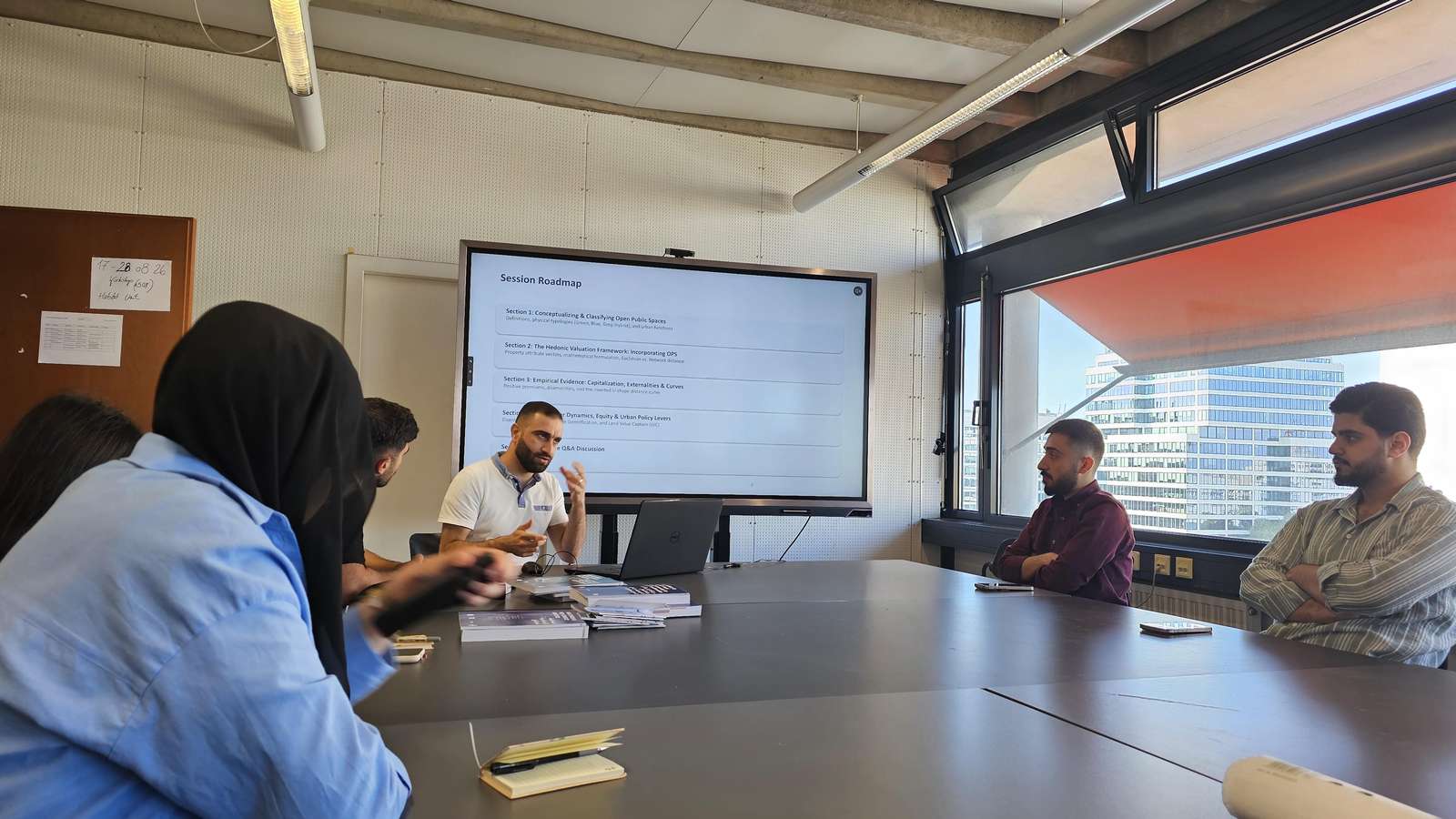
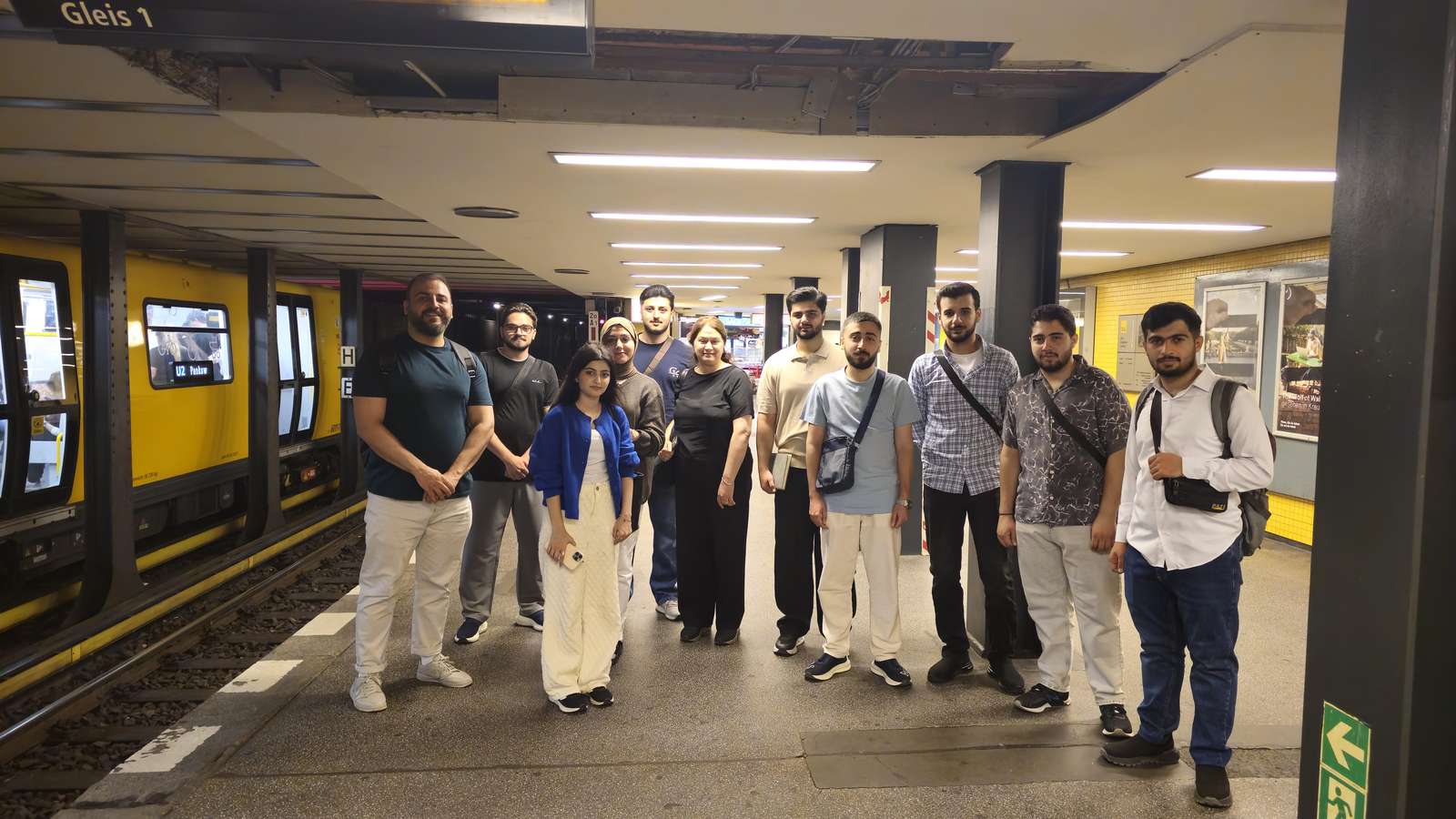
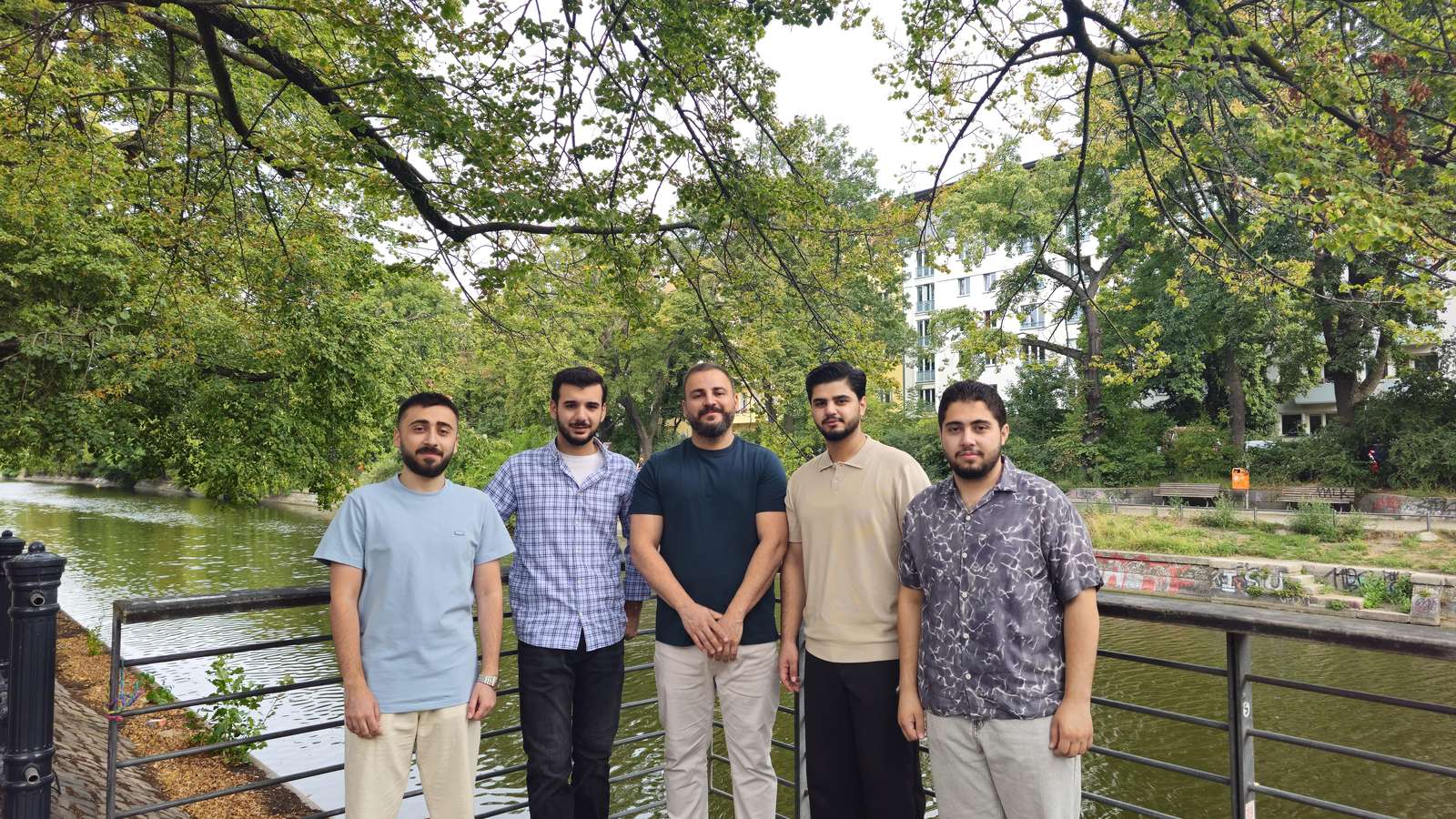
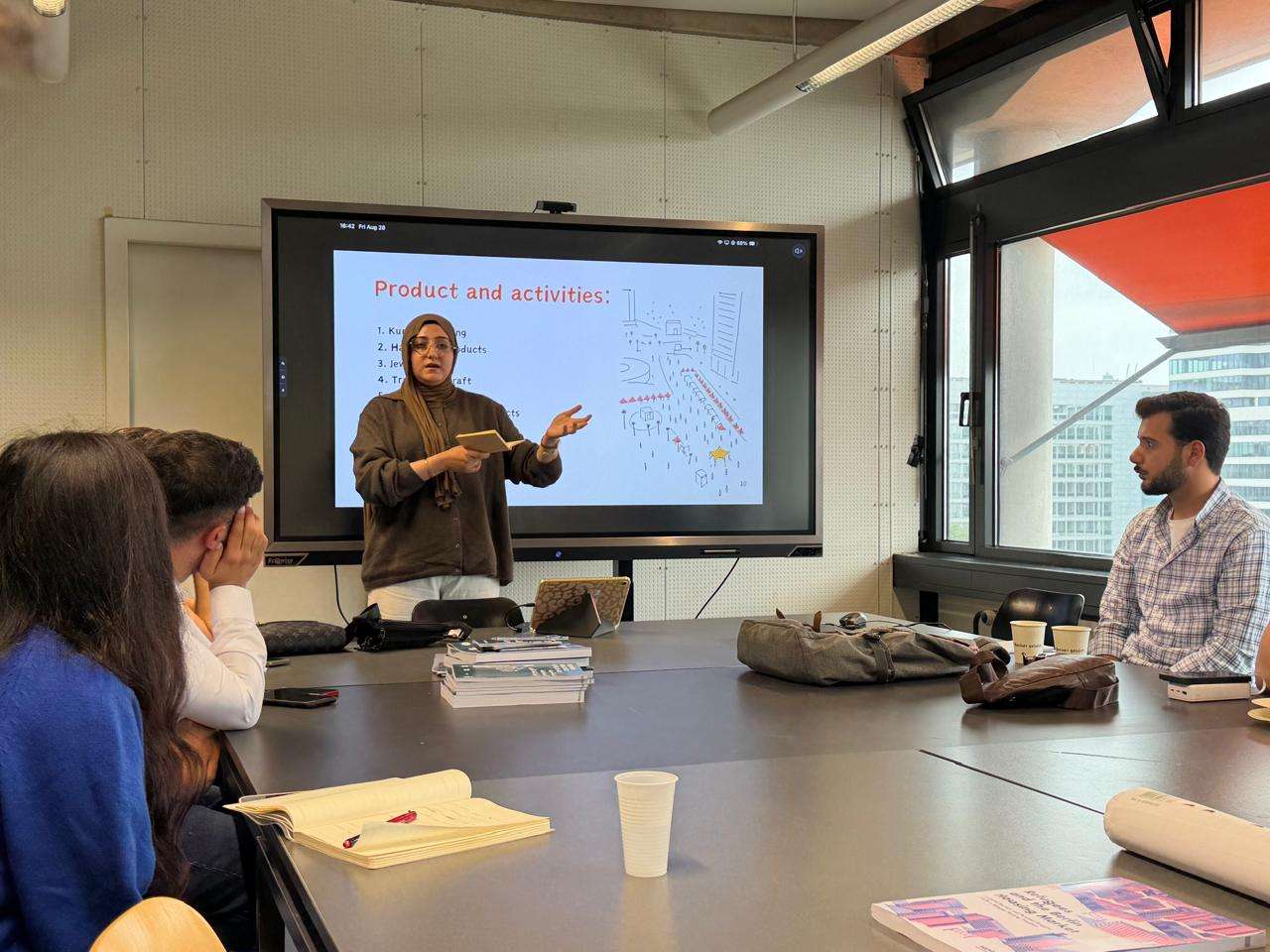
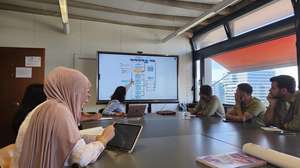
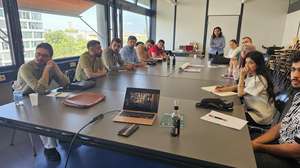
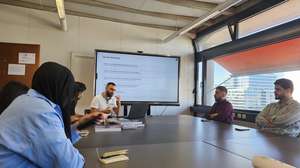
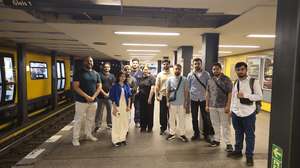
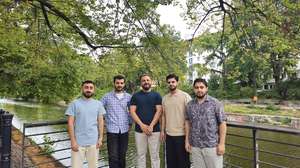
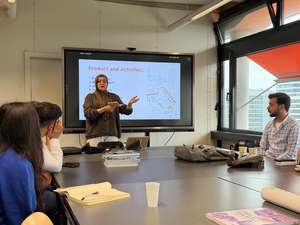
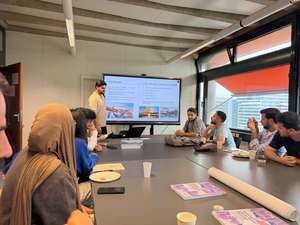
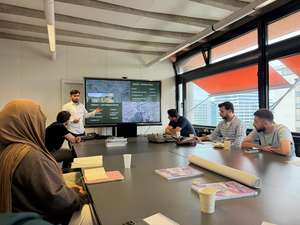
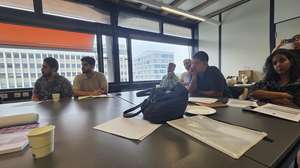
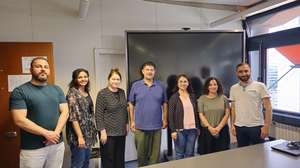
The final three days of the Summer School Workshop in Berlin concluded with a rich programme of expert seminars, field-based learning, community engagement, practical activities, and student presentations. The programme provided students with an opportunity to connect academic knowledge with real-world urban practices and reflect on how these experiences could be adapted to the context of Duhok, Kurdistan Region-Iraq.
August 26 – Urban Governance and Community-Based Urban Greening
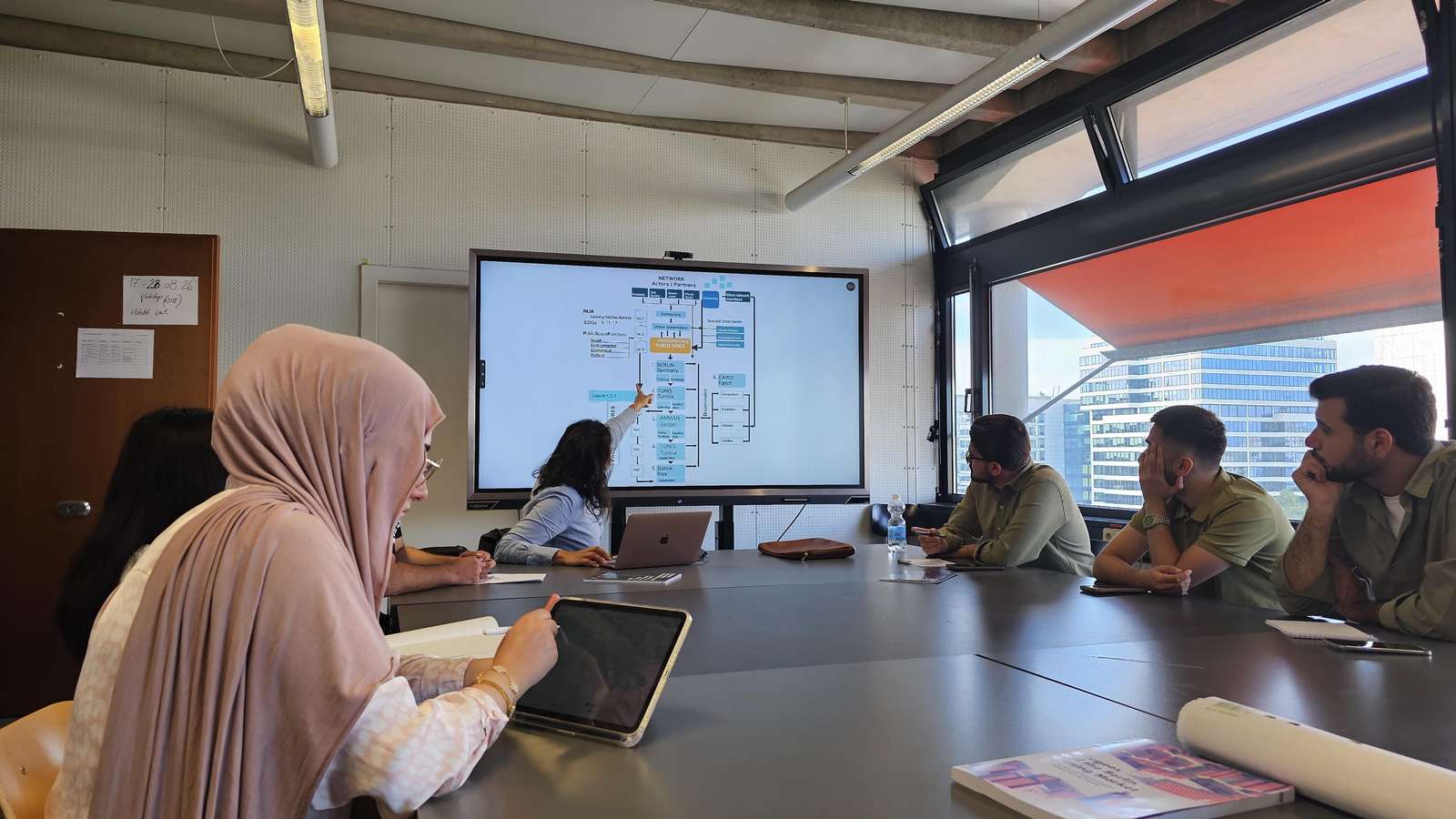
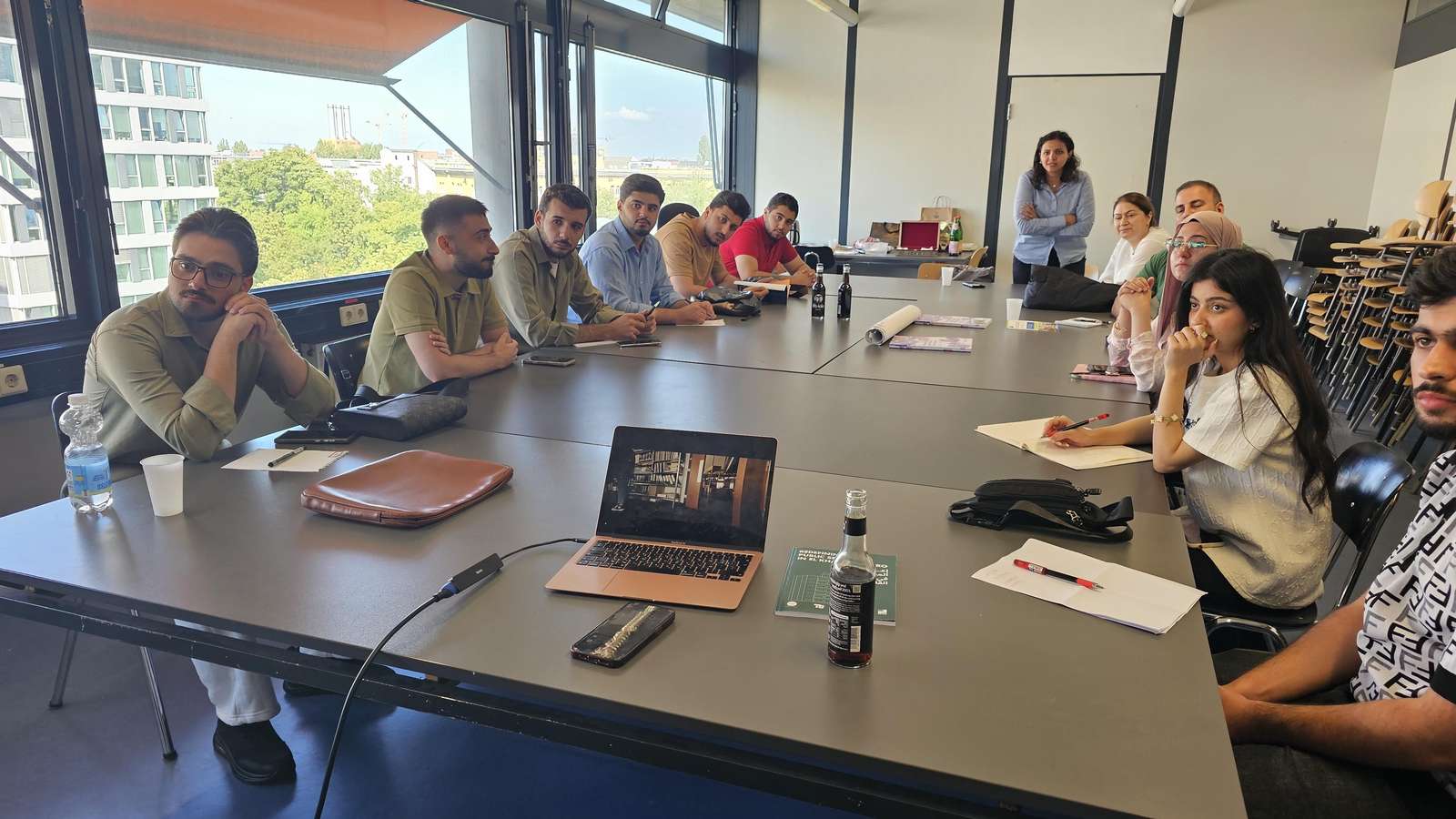
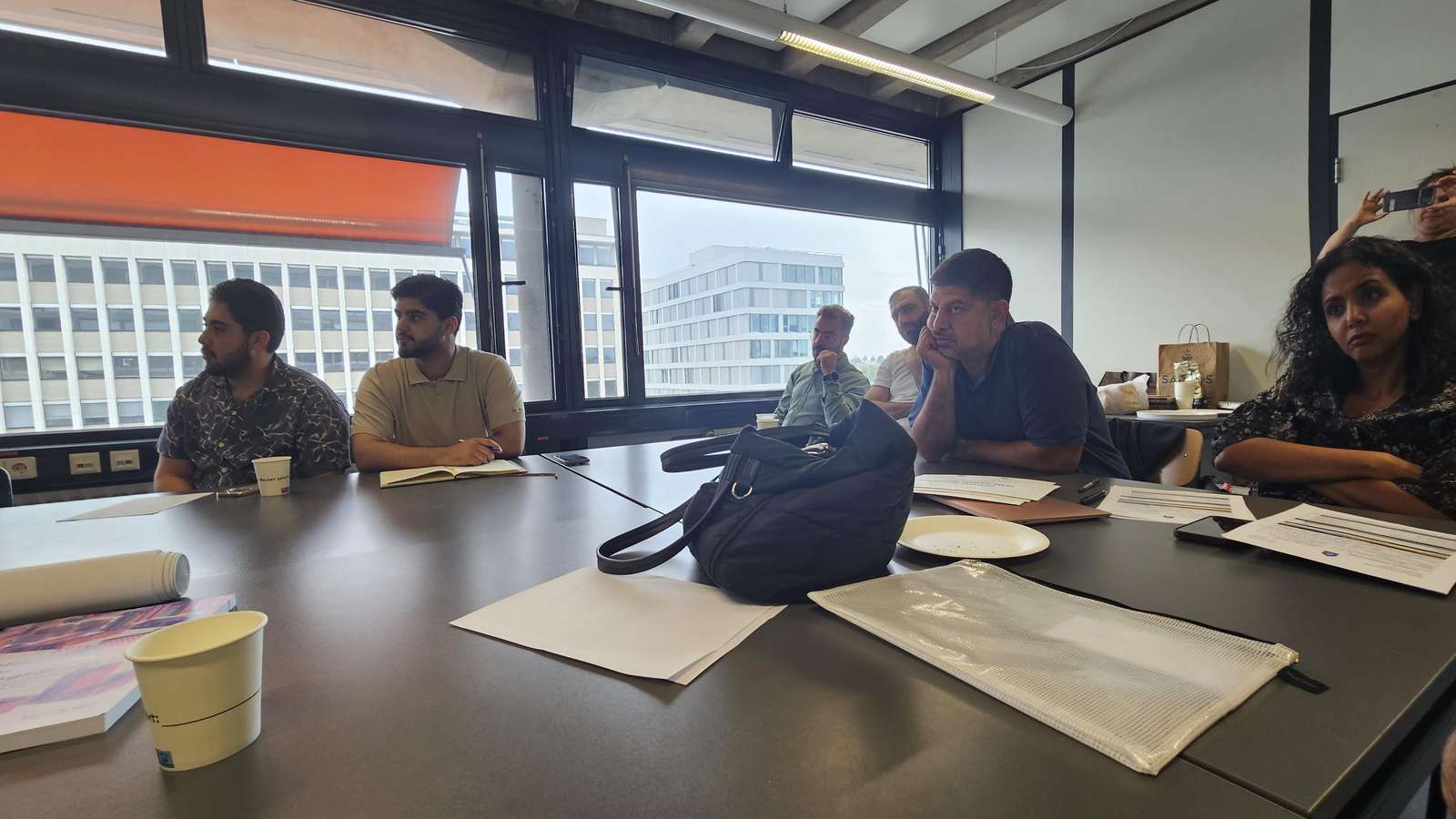
On Wednesday, 26 August 2026, students attended expert-led seminars addressing important dimensions of urban planning and public space, including “PR-GPS! Power Relations in Urban Governance: Participation in Public Space of the Arab Cities,” presented by Hellen Aziz, and following it “The Different Types of Urban Greening,” also presented by Hellen Aziz.
The PR-GPS project was particularly significant for the participants, as the University of Duhok hosted the project last spring semester, April 2026, establishing a direct connection between the activities in Berlin and previous academic and professional experiences at the University of Duhok.
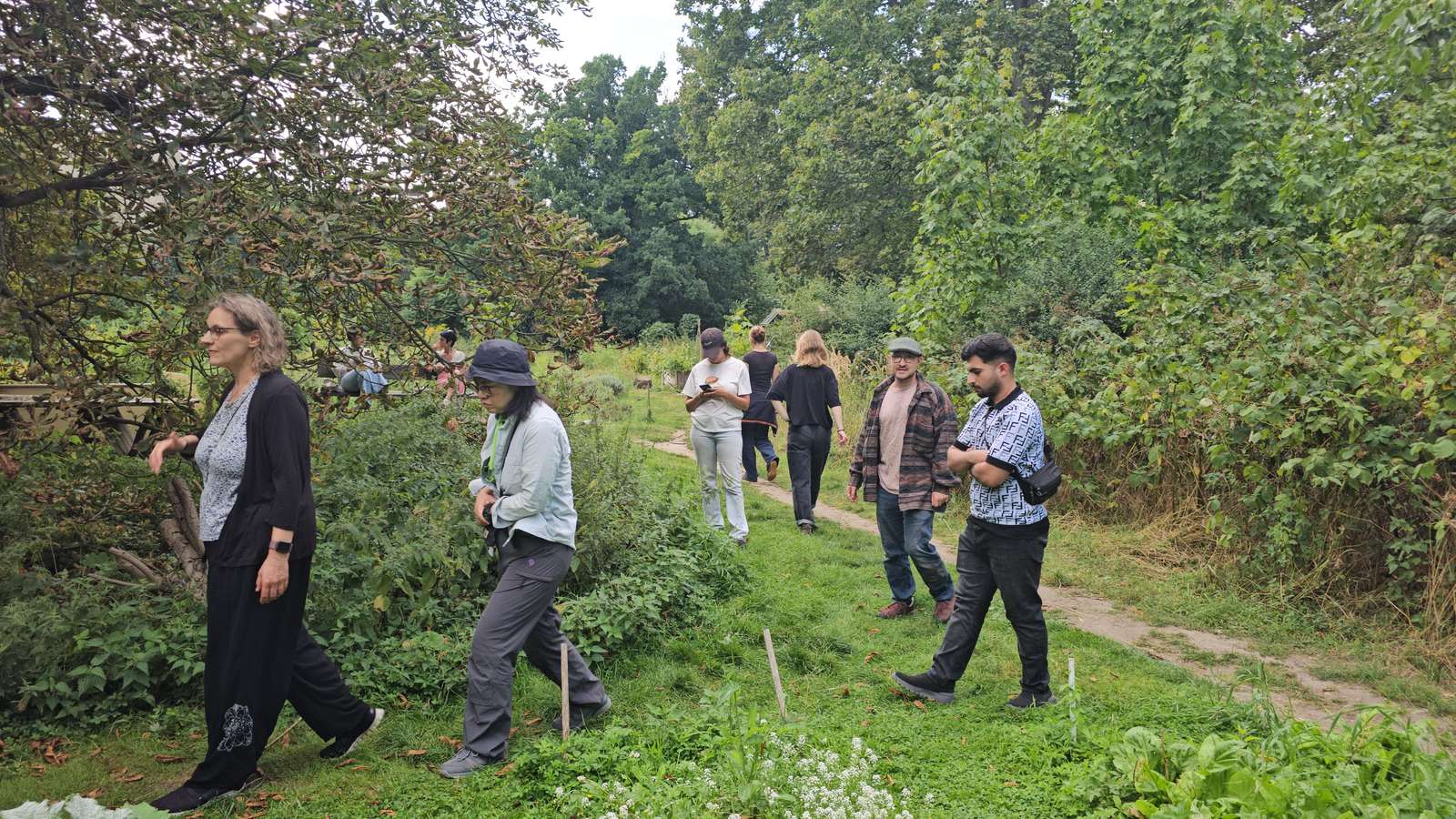
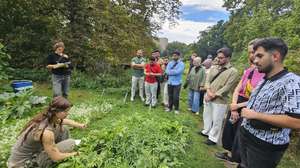
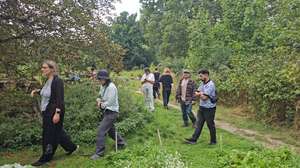
The day continued with a field visit to Prinzessinnengarten Jacobi, where students engaged directly with the community garden and gained practical insights into the cultivation of different crops and vegetables, the environmental conditions required for their growth, and the methods used for sustainable urban gardening. The experience also allowed students to observe how food production can be integrated into urban spaces and how community participation contributes to the development and management of urban green areas.
August 27 – Knowledge Co-production, Public Space, and Urban Development
On Thursday, 27 August 2026, students participated in expert seminars on “Coproduction of Knowledge: Concept Deeper Understanding,” delivered by Prof. Mohamed Salheen, and “The Effect of Public Spaces on the Real Estate Market,” presented by Eiad Alnofal.
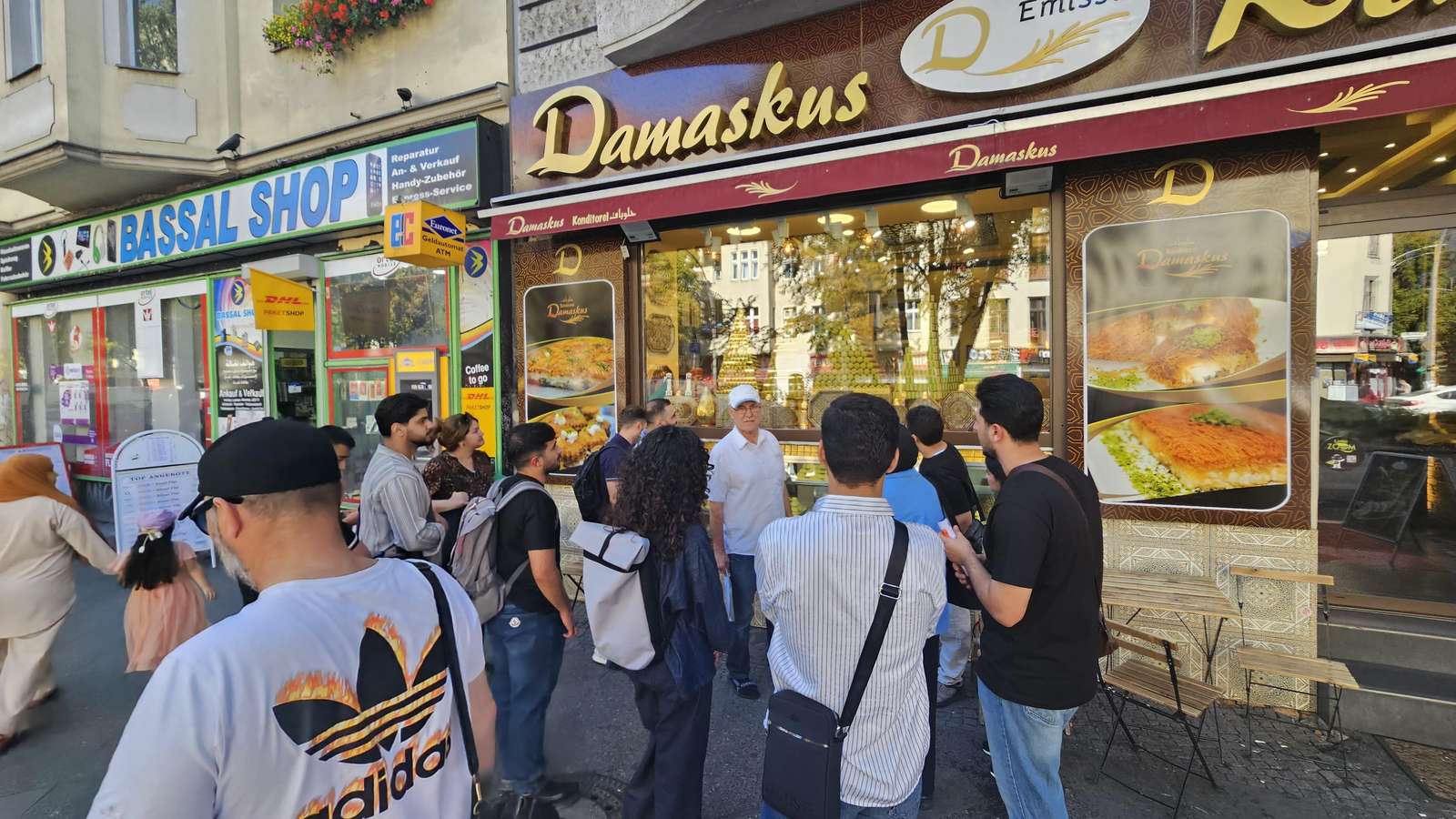
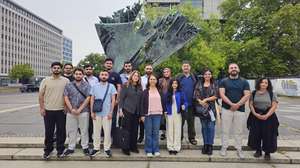
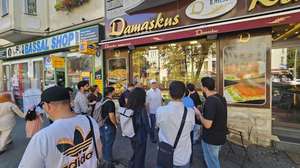
The programme continued with the “Memories of Home” guided walking tour along Sonnenallee – Memories of Home Tour, a 5-kilometre-long arterial street in the south-east of Berlin. During the walk, students received explanations about the area's urban development, spatial characteristics, social context, history, and the relationship between memory, identity, and place. This field experience enabled students to observe the urban environment directly and explore how the history and everyday life of a place contribute to its spatial character.
August 28 – Street Markets and Applying Knowledge to Duhok
On the final programme day, Friday, 28 August 2026, students explored “The Street Markets in Berlin,” followed by a field visit to the Neukölln Flohmarkt. The visit provided students with an opportunity to observe the role of street markets within the urban environment and explore their social, spatial, economic, and community dimensions.
In the afternoon, students worked in groups to reflect on the knowledge and experiences gained throughout the workshop. They discussed how the approaches, practices, and lessons encountered in Berlin could be adapted and transferred to the context of Duhok, connecting their field experiences with the planning challenges and opportunities of their own city.
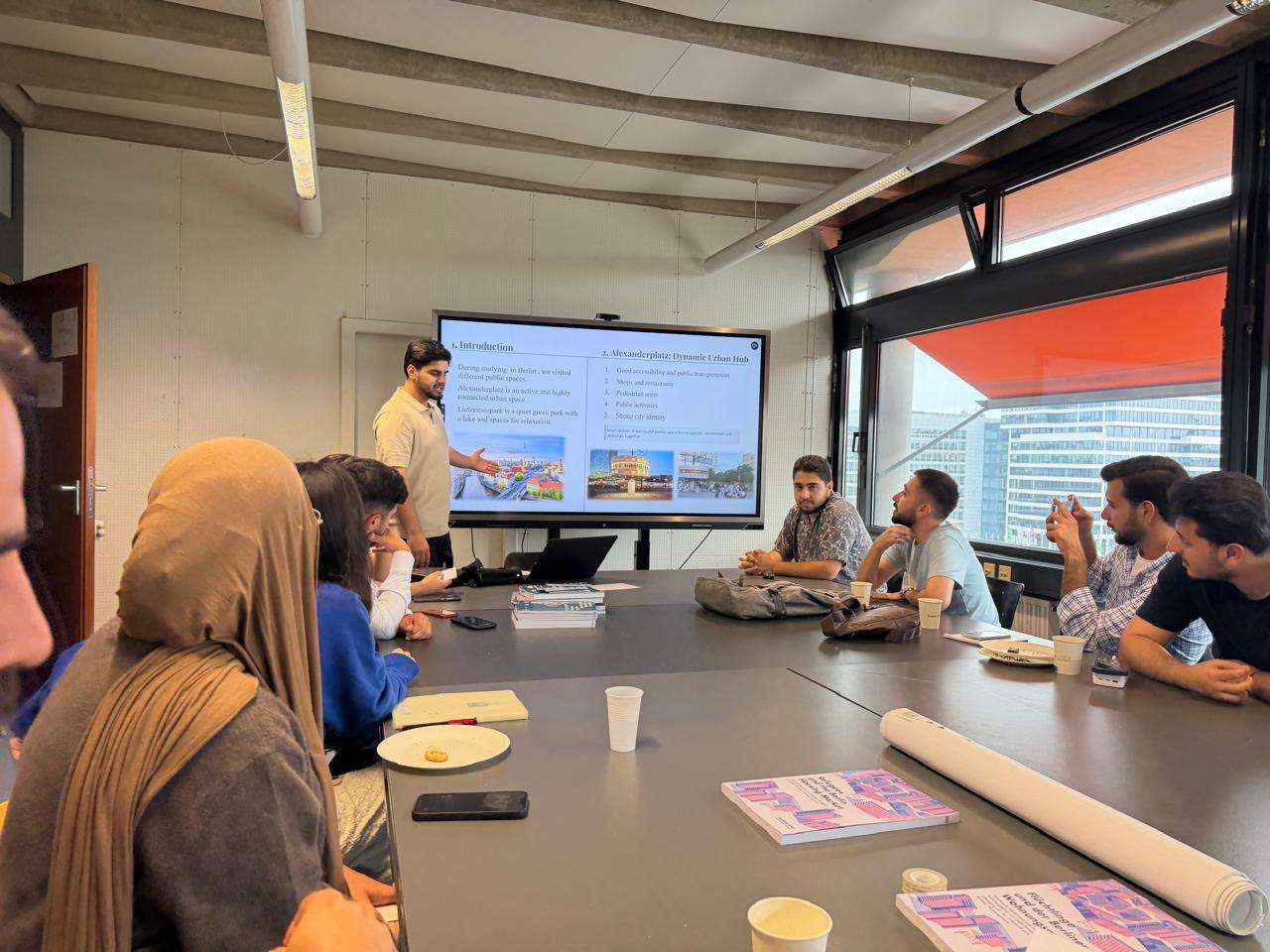
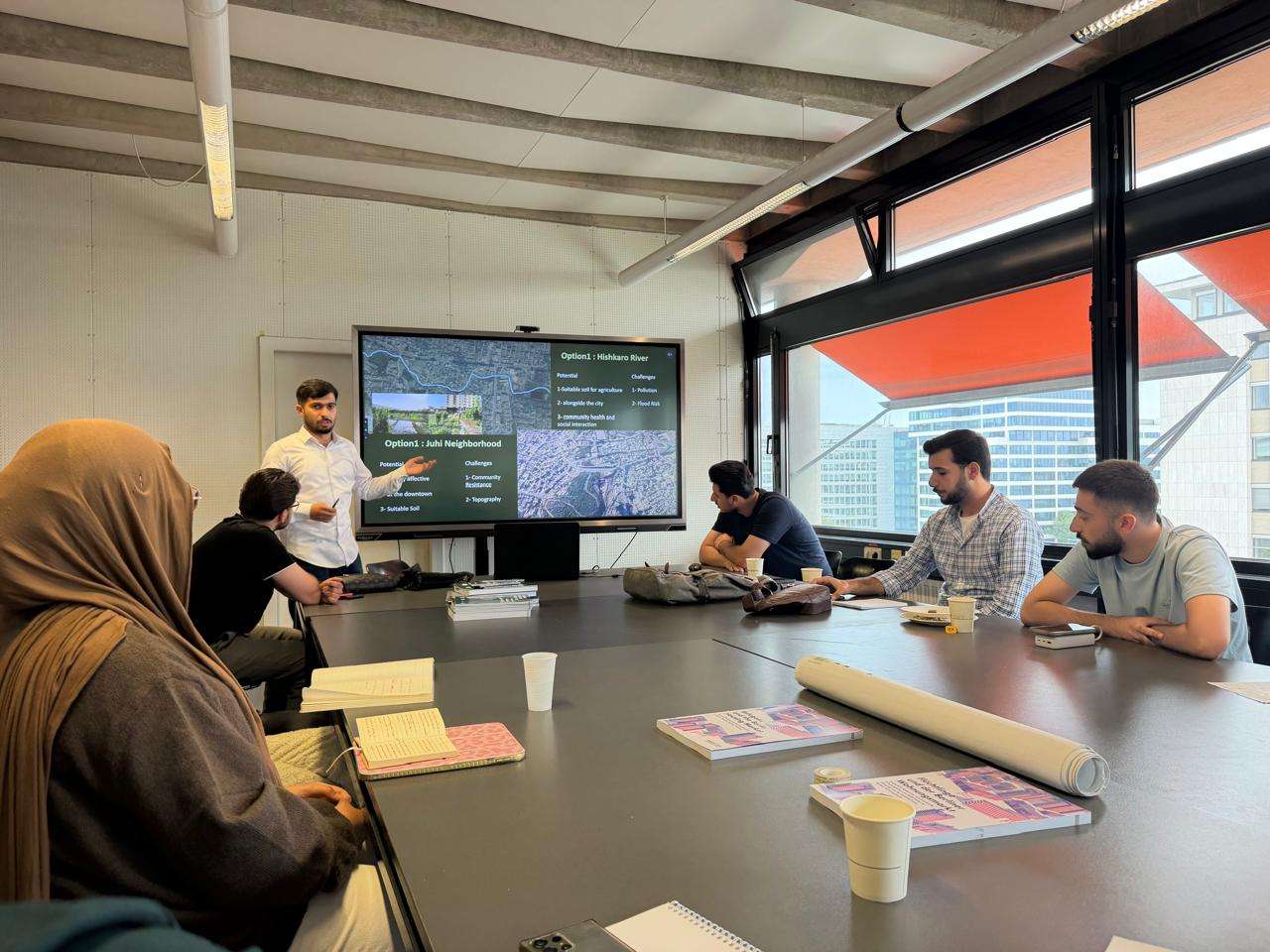
The workshop concluded with student group presentations, through which participants presented their reflections and proposed ways of applying their learning to their own urban context.
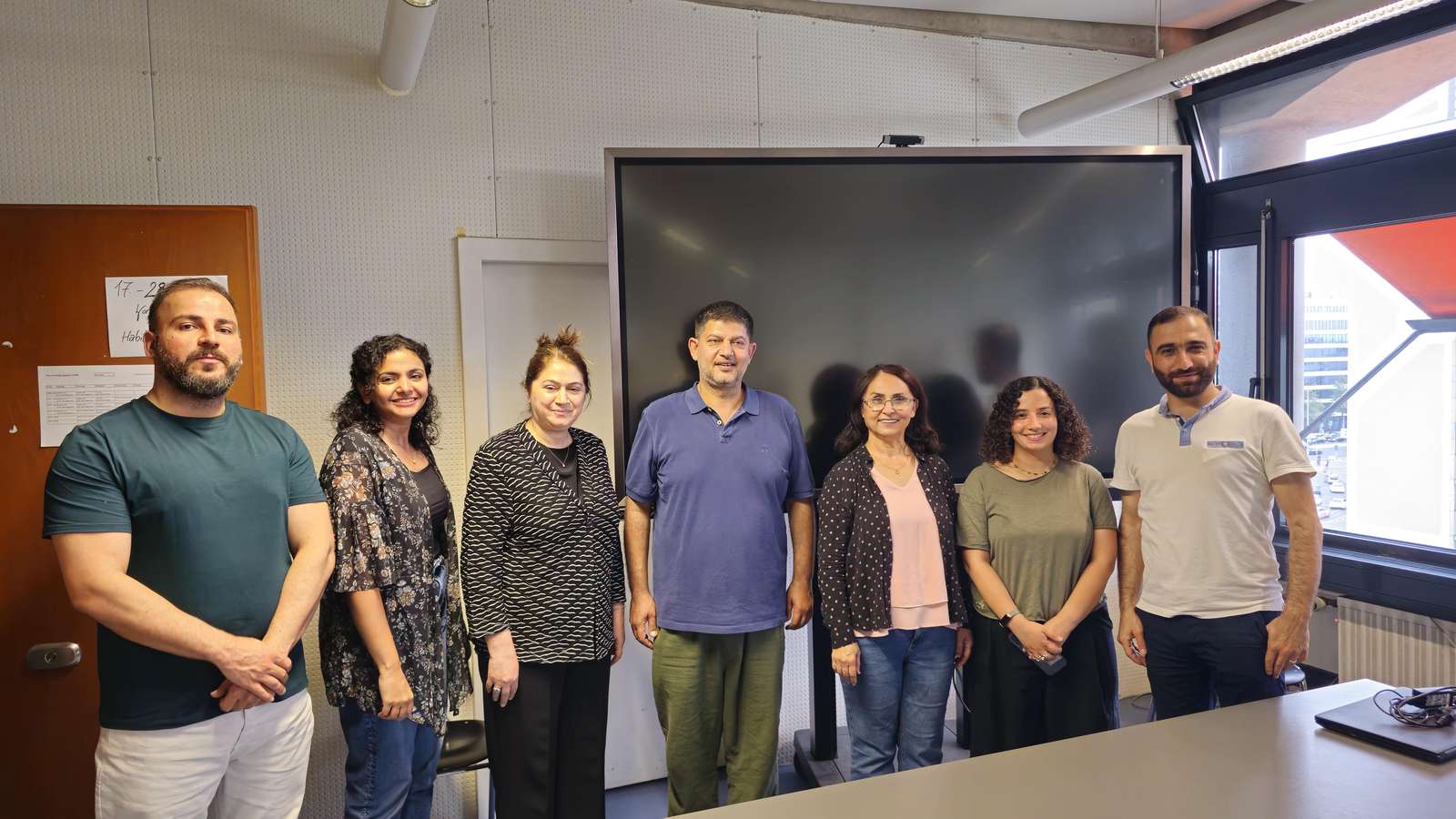
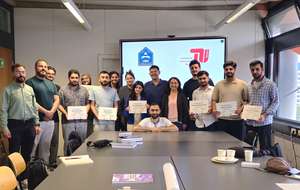
The programme officially ended with the awarding of certificates to the participating students, marking the completion of an intensive learning experience combining academic exchange, expert knowledge, fieldwork, community engagement, and practical reflection.
The final three days highlighted the importance of learning through both academic exchange and direct engagement with urban environments and communities. More importantly, the workshop encouraged students to move beyond observing another urban context and critically consider how the knowledge and experiences gained in Berlin can be adapted and contribute to future planning practices in Duhok, Kurdistan Region-Iraq.